

- Overuse through repetitive movement patterns
- Acute hand injury (fall, bruise, sprain)
- Inflammatory tendon or joint changes
- Degenerative hand diseases
- Nerve compression syndromes
- Improper loading in everyday life or at work
Hand Pain
Symptoms
Orthopedic assessment & treatment of the hand in Innsbruck.
Hand pain can significantly impair daily life, as the hand is involved in almost every movement, from precise gripping to fine motor tasks. Due to the large number of joints, tendons, muscles, and nerves, the hand is particularly sensitive to overuse, inflammation, or structural changes. Discomfort arises from acute hand injuries as well as from gradual changes such as overuse, inflammation, or degenerative hand diseases.
Early orthopedic assessment helps to specifically narrow down the cause of hand pain and initiate an appropriate, usually conservative, therapy. Gregor Pittl supports patients with precise diagnostics and individually tailored treatment approaches for hand complaints.

Dr. Gregor Pittl
Medically reviewed by
Specialist in Orthopaedics, Orthopaedic Surgery and Traumatology
Dr. Gregor Pittl is a specialist in orthopaedics, orthopaedic surgery and traumatology and worked for ten years, most recently as a senior physician, at the University Clinic for Orthopaedics Innsbruck. His focus is on the conservative and surgical treatment of joint wear (arthrosis) as well as regenerative therapy methods such as ACP autologous blood therapy.
Last medically reviewed on 6. May 2026
More about Dr. Gregor Pittl
How do hand diseases or injuries develop?
Cause
In orthopedics, hand diseases often appear as a result of repeated stress, inflammatory processes, or degenerative changes. Hand injuries, on the other hand, usually occur suddenly, such as through falls or direct force, and should be assessed early. Overuse due to repetitive movements, professional activities, or athletic stress is often the underlying cause. Poor posture, inflammatory processes, or age-related wear and tear also play a role as causes of hand pain.
Experience shows that many hand diseases begin gradually and initially cause only mild discomfort. If left untreated, however, this hand pain can intensify and permanently restrict the function of the hand.

Common causes of hand pain:
Symptoms of hand diseases
Symptoms
Hand complaints do not always manifest in the same way and can depend on the cause and location. While some pain only occurs during exertion or specific movements, others appear even at rest or at night. Due to the dense nerve supply of the hand, reduced strength or sensory disturbances can occur in addition to pain.
Typical symptoms are:
- Pain when gripping, holding, or turning
- Stiffness of the fingers or wrist
- Nightly hand pain or tingling
- Loss of strength or insecurity when grasping
- Swelling or tenderness
- Sensation of locking when moving the fingers
- Numbness or abnormal sensations
Most common hand diseases and hand injuries
Medical Conditions
In daily orthopedic practice, the following hand diseases and hand injuries are among the most common causes of hand pain:
- Trigger finger: painful locking during bending or stretching
- Tenosynovitis: inflammatory irritation due to overuse
- Carpal tunnel syndrome: nerve compression with numbness and nightly hand pain
- Osteoarthritis of the hand: joint wear with stiffness and stress-related pain
- Rhizarthrosis: osteoarthritis of the thumb saddle joint
- Ganglion: benign cyst in the area of joints or tendons
- Acute hand injury such as bruising, sprain, or ligament injury
Diagnosis & treatment for hand pain
Treatment
The orthopedic diagnosis of hand diseases or a hand injury follows a structured approach to distinguish between acute or chronic complaints and to decide on the subsequent, individual therapy plan.
Diagnostic steps:
- Detailed medical history (stress, profession, pain progression)
- Clinical examination of mobility, strength, and sensitivity
- Targeted functional tests of the hand and fingers to check mobility, grip function, and pain reactions
- Imaging procedures such as X-ray, ultrasound, or MRI (if required)

Conservative therapy for hand diseases
Many hand diseases can be successfully treated conservatively. Even an acute hand injury can often be treated without surgery. Targeted conservative therapy aims to relieve hand pain, reduce inflammation, and preserve the function of the hand.
Proven non-surgical therapy approaches include:
- Targeted physiotherapy for mobilization and strengthening
- Anti-inflammatory measures for tendon or joint irritation
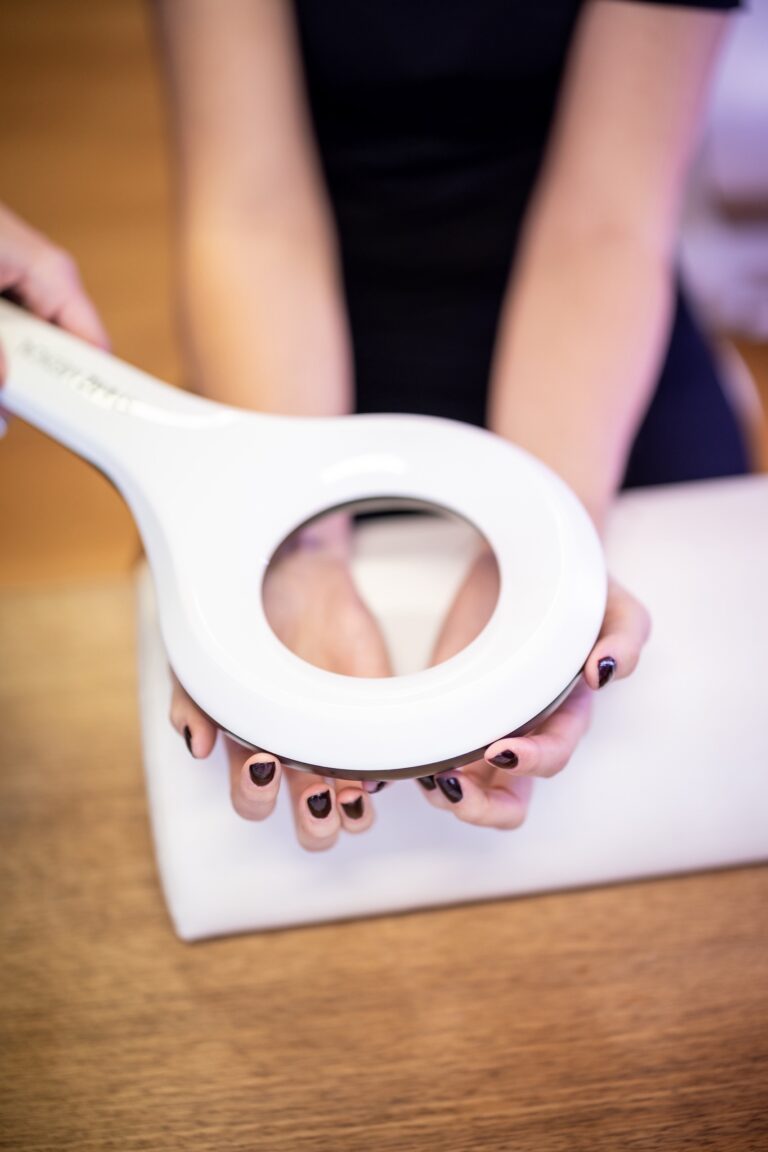
- Shockwave therapy and magnetic field therapy
- Infiltrations for severe hand pain
- Immobilization or splinting for acute hand injuries
- Adjustment of stressful daily or work movements
- Consultation on ergonomic measures
Your specialist for the hand in Innsbruck
Dr. Gregor Pittl
Hand complaints should always be taken seriously, as untreated hand diseases or hand injuries can impair the function of the hand in the long term.
Contact us if you would like to have your hand pain orthopedically assessed by Dr. Pittl in Innsbruck. You are also welcome to arrange an appointment during private consultation hours.

Frequently Asked Questions
What are the most common hand conditions?
The most common hand conditions include tendonitis, trigger finger, hand osteoarthritis and rhizarthrosis of the thumb carpometacarpal joint, carpal tunnel syndrome, and ganglion cysts. These conditions often result from overuse, wear and tear, or nerve compression and can in many cases be treated conservatively.
When should I see an orthopedist for hand pain?
If pain persists, occurs at night, or limits hand function.
What to do in case of a hand fracture?
In case of a suspected hand fracture, the hand should be immobilized and examined promptly. Depending on the type and location of the fracture, treatment is conservative, using a splint or cast. In some cases, surgical stabilization may also be necessary.
What is trigger finger?
Trigger finger involves a blocked tendon movement that causes jerky extension or flexion.
Can hand arthritis or trigger finger be treated conservatively?Can hand arthritis or trigger finger be treated conservatively?
Yes. Physiotherapy, anti-inflammatory measures, magnetic field therapy, shockwave therapy, and infiltrations can significantly improve hand arthritis.
Can carpal tunnel syndrome be treated conservatively?
Yes. In many cases, conservative measures such as nighttime wrist splints, occupational therapy, targeted taping, and, depending on the symptoms, shockwave therapy can help reduce irritation and relieve pressure on the nerve.
What is a ganglion?
A ganglion is a benign, fluid-filled cyst located near joints or tendons.