
Shockwave Therapy
Treatments
Shockwave therapy is a proven, non-surgical treatment method for targeted pain therapy in musculoskeletal disorders. Due to its numerous advantages, it is particularly used for chronic tendon irritations, persistent inflammations, calcifications, and painful tendon insertion problems.
In Dr Pittl’s practice, shockwave therapy in Innsbruck is often employed when classic conservative measures such as rest, medication, or physiotherapy do not yield the desired effect. The therapy supports the activation of the body’s own healing processes, reduces pain, and sustainably improves the function of the affected tissue. Dr Gregor Pittl uses shockwave therapy in Innsbruck specifically and depending on the indication as part of a structured conservative treatment concept.
What is Shockwave Therapy (ESWT)?
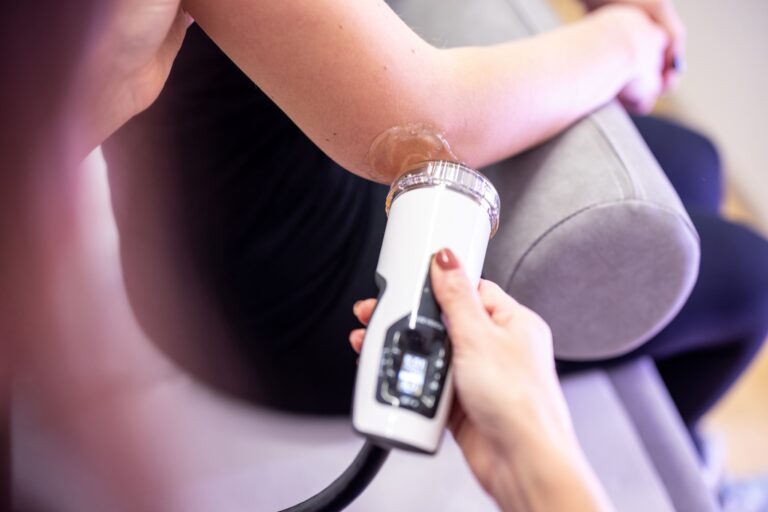
Shockwave therapy, also known as ESWT (Extracorporeal Shockwave Therapy), is a medical procedure in which high-energy sound waves are precisely introduced into the painful tissue from outside the body.
These shockwaves primarily act on tendons, tendon insertion zones, and adjacent bone structures. In orthopaedics, shockwave therapy is used to promote local blood circulation, activate metabolic processes, and regulate chronic irritation. ESWT is non-invasive and supports the body’s natural regeneration.
Dr. Gregor Pittl
Specialist in Orthopaedics, Orthopaedic Surgery and Traumatology
Common Applications of Shockwave Therapy
Shockwave therapy in Innsbruck with Dr Gregor Pittl is suitable for both active athletes and individuals with work-related overuse injuries. This type of conservative therapy is used for a variety of orthopaedic conditions.
It has proven particularly effective for:
- Tennis elbow (lateral epicondylitis) and golfer’s elbow (medial epicondylitis)
- Heel spur (plantar fasciitis) and Achilles tendon irritation (Achillodynia)
- Irritation at the tendon insertion (e.g. Achilles tendon, patellar tendon)
- Calcific shoulder (tendinosis calcarea) and chronic tendonitis
- Rhizarthrosis, carpal tunnel syndrome, trigger finger
- Bursitis of the hip (trochanteric bursitis)
- Patellar tendonitis (Jumper’s Knee)
- Musculoskeletal pain as part of pain therapy
- Poorly healing bones, bone marrow oedema
- Osteoarthritis, joint wear especially of the knee, hip, shoulder, and thumb
When is shockwave therapy useful and how long does the effect last?
Shockwave therapy is particularly useful when symptoms persist for a long time, recur frequently, or prove resistant to therapy. Typical applications include treating chronic pain in the area of tendons or tendon insertions, such as treating golfer’s elbow or a heel spur.
The effect of ESWT usually develops gradually. Several sessions are often carried out at intervals of one to two weeks. Many patients report significant pain relief after just a few weeks. The positive effect can last for several months – depending on the findings, the load, and accompanying measures.
Procedure
Procedure of Shockwave Therapy
The procedure for shockwave therapy is straightforward and non-surgical. A session usually lasts between 5 and 10 minutes.
- Orthopaedic examination and indication
- Localisation of the exact pain point (e.g. tendon insertion) using palpation or ultrasound
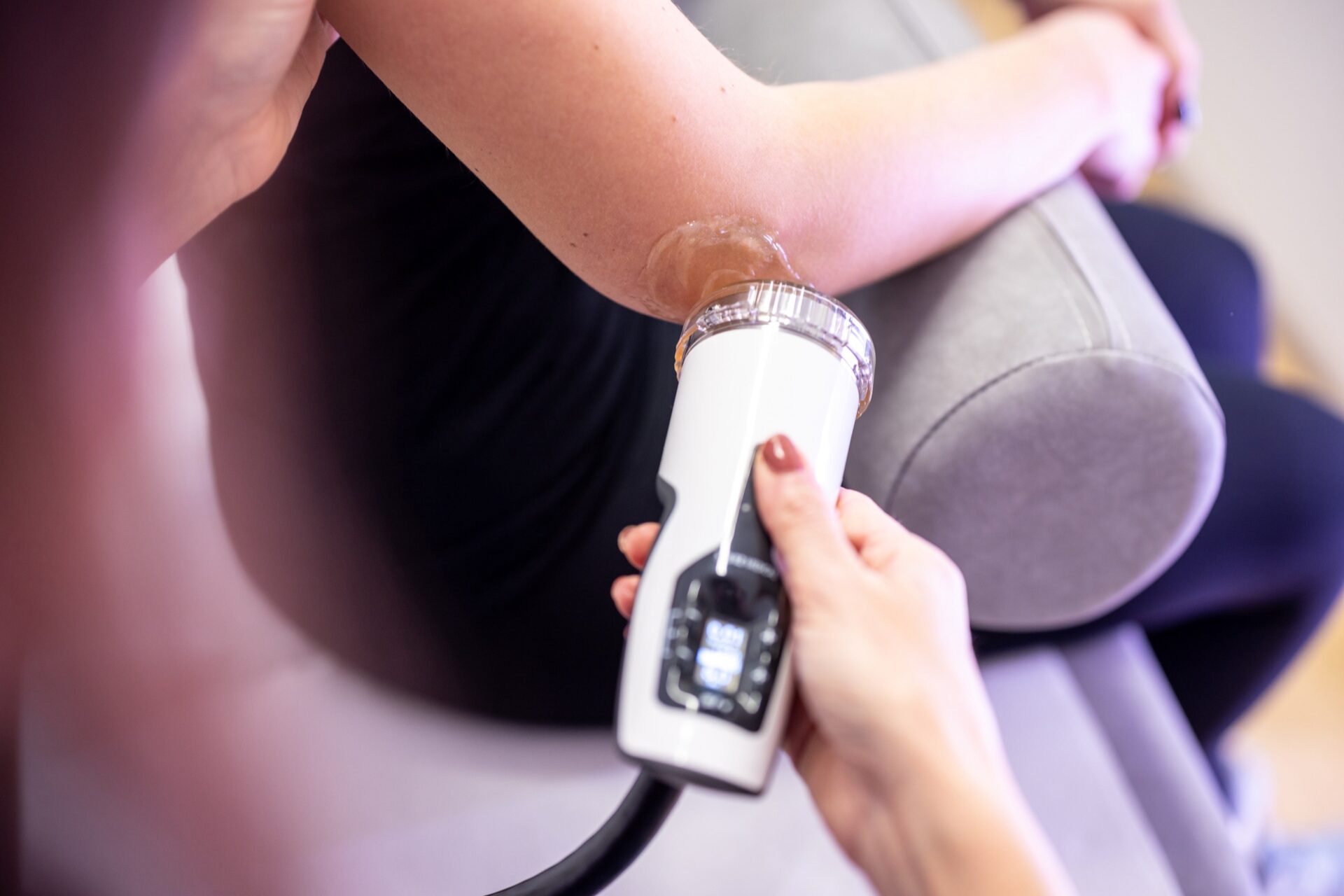
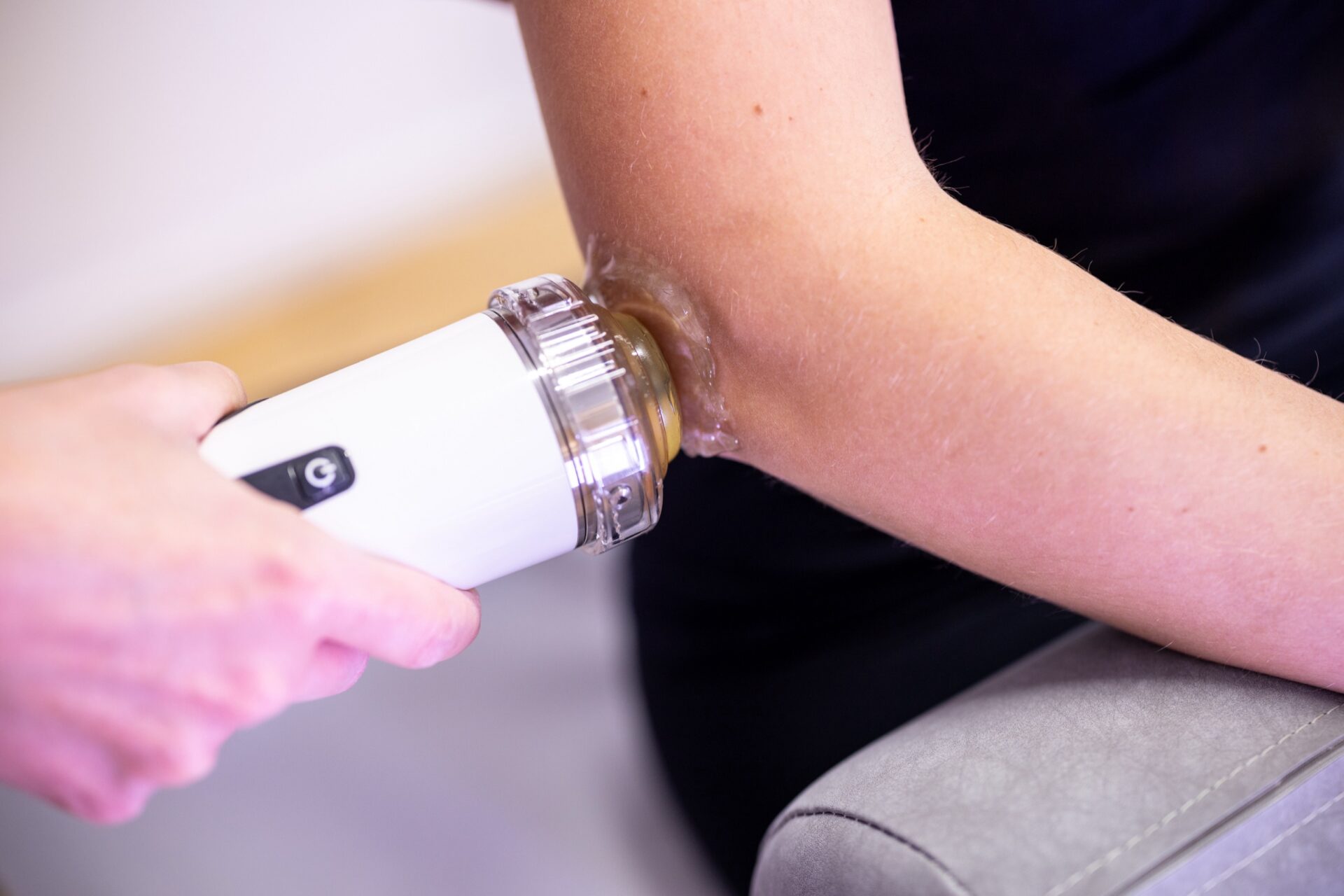
- Application of contact gel: To ensure the shockwaves penetrate the body without loss of energy or air resistance
- Application of shockwaves with a special therapy device: The device emits rhythmic sound pulses, usually with an energy level that is slowly increased
- Short rest period and recommendations for activity adjustment
The treatment is generally well tolerated. During the application, a brief sensation of pressure or pain may occur, which usually subsides quickly. Shockwave therapy requires no downtime and can be easily integrated into daily life.
Make an appointment at our practice.
Dr. Gregor Pittl
Shockwave therapy represents an effective, gentle option for pain therapy, especially for chronic tendon and tendon insertion complaints. It can help to sustainably reduce pain and significantly improve the resilience and function of the affected area. Dr Pittl likes to use shockwave therapy in Innsbruck to avoid or delay surgical interventions.
Contact us if you would like a consultation regarding shockwave therapy in Innsbruck with Dr Pittl.
Frequently Asked Questions
Is shockwave therapy painful?
Generally not. Occasionally, a slight pressure or tapping sensation may occur, especially with inflamed tissue, which usually subsides quickly.
How many sessions are necessary?
Usually 3–5 sessions are recommended, depending on the condition.
How beneficial is shockwave therapy?
Shockwave therapy is a beneficial conservative treatment, as it specifically activates biological healing processes. It can be used for tendonitis at tendon insertions, calcifications, and delayed tissue healing by improving blood circulation and stimulating the body’s own repair mechanisms.
Is shockwave therapy covered by health insurance?
Shockwave therapy is generally an elective service, but for certain indications it is partially reimbursed by some health insurance providers. Whether costs can be covered depends on the respective insurer and the medical justification.
What should you avoid after shockwave therapy?
After treatment, the treated area should not be overstrained for several days. Intensive sporting activities, heavy physical exertion, or additional irritation therapies should be temporarily avoided to optimally support the healing process.