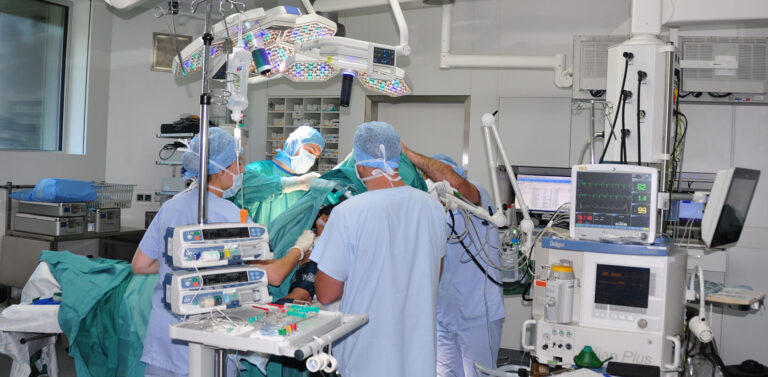

Arthroscopy & Orthopedic Surgeries
Treatments
Arthroscopy is a proven procedure within orthopedic surgeries to precisely diagnose and specifically treat joint diseases. As a form of minimally invasive surgery, arthroscopy allows a direct view into the joint without extensively opening it. This enables gentle treatment of complaints and optimal protection of surrounding structures.
In orthopedics, arthroscopy is frequently used when conservative measures are no longer sufficiently effective or a precise assessment of joint structures is necessary. This procedure spares the surrounding tissue and allows for a faster return to daily life.
Dr. Gregor Pittl possesses many years of experience in arthroscopy in Innsbruck, as well as in other orthopedic surgeries, and always selects the surgical approach based on indication and careful consideration.
What is Arthroscopy?
Arthroscopy, often referred to as joint endoscopy, is a minimally invasive form of joint examination. A camera is inserted into the affected joint through small skin incisions, supplemented by fine instruments for treatment. This allows a detailed view of cartilage, meniscus, and ligaments. Compared to open procedures, arthroscopy significantly reduces the risk of infection and postoperative pain. Arthroscopic surgeries are therefore among the central procedures of modern, minimally invasive orthopedic surgery.
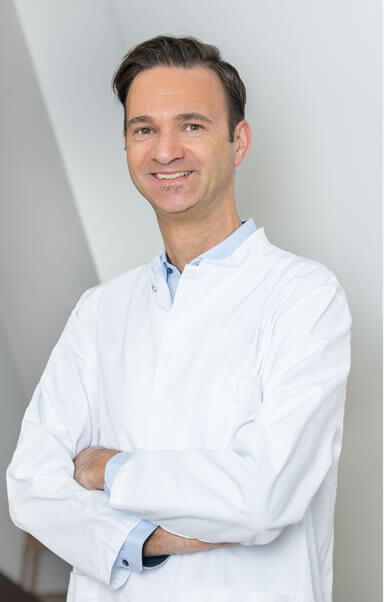
Dr. Gregor Pittl
Specialist in Orthopaedics, Orthopaedic Surgery and Traumatology
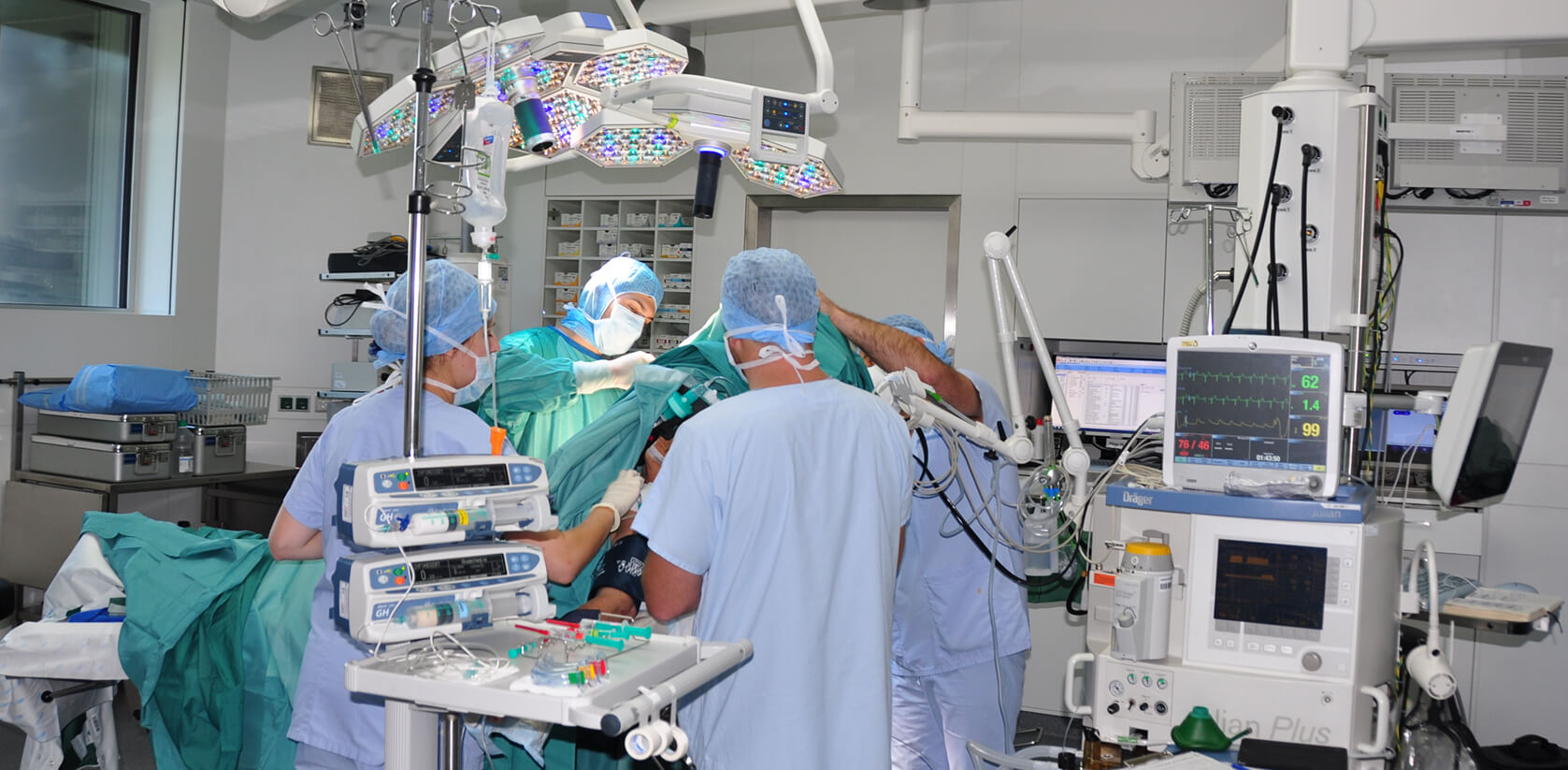
Common Applications of Arthroscopy
Arthroscopy is used for numerous orthopedic complaints, especially where structures within a joint capsule are mechanically blocked or damaged:
- Knee joint: Meniscus damage, cartilage injuries, cruciate ligament reconstructions
- Ankle joint: Cartilage damage, loose bodies, instabilities, removal of loose bodies or cartilage smoothing after a sports injury
- Shoulder: Impingement, rotator cuff damage
- Clarification of unclear joint complaints
- Treatment of consequences of a sports injury
- Complementary to other orthopedic surgeries
When is Arthroscopy Useful & How Long Does it Last?
The decision for arthroscopy is made when conservative therapies have been exhausted or structural changes in the joint cause symptoms. It serves both diagnosis and direct treatment. Especially after an acute sports injury, timely intervention can prevent secondary damage such as osteoarthritis.
The procedure itself usually lasts between 30 and 90 minutes. The benefit is usually long-term, provided the biological healing capacity of the tissue is given. However, orthopedic surgeries of this type are not a substitute for active rehabilitation: arthroscopies are part of a comprehensive treatment concept within orthopedic surgeries.
Procedure
Arthroscopy Procedure
The procedure for a joint endoscopy follows a clearly structured approach:
- Preparation: Comprehensive patient education and clinical examination, as well as imaging if necessary
- Indication for arthroscopy or other orthopedic surgeries
- Procedure: The joint endoscopy is performed under anesthesia through two to three small incisions.
- Care: The wounds are closed with fine sutures or plasters, making the procedure particularly minimally invasive.
- Aftercare: An individualized weight-bearing plan, tailored to the joint and findings, guides the return to full mobility.
Arthroscopy & Other Orthopedic Surgeries
In addition to arthroscopy in Innsbruck, Dr. Pittl offers a broad spectrum of orthopedic surgeries. If joints are already severely damaged, classic orthopedic surgeries are employed:
- Arthroscopic surgeries of the knee and ankle joint
- Minimally invasive endoprosthetics of the hip and knee joint
- Endoprosthesis replacement surgeries
- Shoulder surgery (e.g., rotator cuff, impingement)
- Foot and ankle surgery (hallux valgus, deformities, instabilities)
- Hand surgery (rhizarthrosis, trigger finger, Dupuytren’s contracture)
- Surgeries for rheumatic diseases
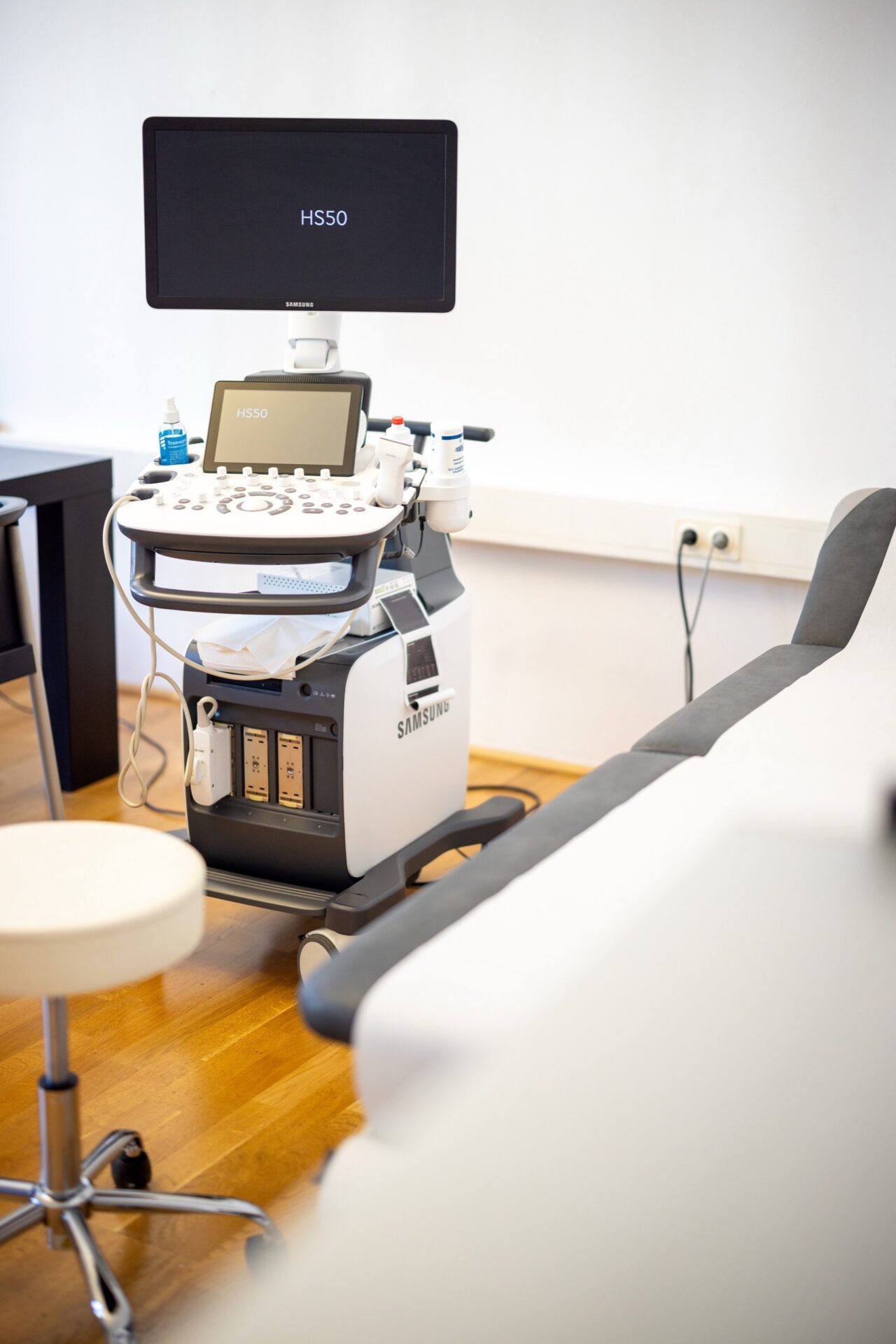
Make an appointment at our practice.
Dr. Gregor Pittl
Any surgical procedure should be carefully considered. Dr. Gregor Pittl takes a primarily conservative approach: Only once non-surgical methods have been exhausted will the options of arthroscopy or other surgery be discussed.
A private consultation is available for a detailed consultation and an individual treatment strategy. Here, we take the time necessary for your recovery.
Frequently Asked Questions
What is the difference between arthroscopy and open surgery?
Arthroscopy is minimally invasive and performed through small incisions, while open orthopedic surgeries require larger access points.
How long does recovery take after an arthroscopy?
Superficial wound healing is completed after approx. 10–14 days. The joint’s weight-bearing capacity depends on the extent of the repair (e.g., meniscus suture) and varies between a few days and several weeks – depending on the joint and the findings.
Will there be scarring after an arthroscopy?
Since the procedure is minimally invasive, only puncture-like scars a few millimeters long remain, which usually heal very well.
Is general anesthesia absolutely necessary for an arthroscopy?
Many arthroscopic procedures can also be performed under regional anesthesia. This is decided individually beforehand.
Are arthroscopies useful for sports injuries and when can I resume training?
Particularly after a sports injury, arthroscopy allows for targeted treatment with minimal tissue stress.
Light movements are often possible early on. Sports with high shear stress (football, tennis) usually require a break of several months to avoid compromising the tissue.