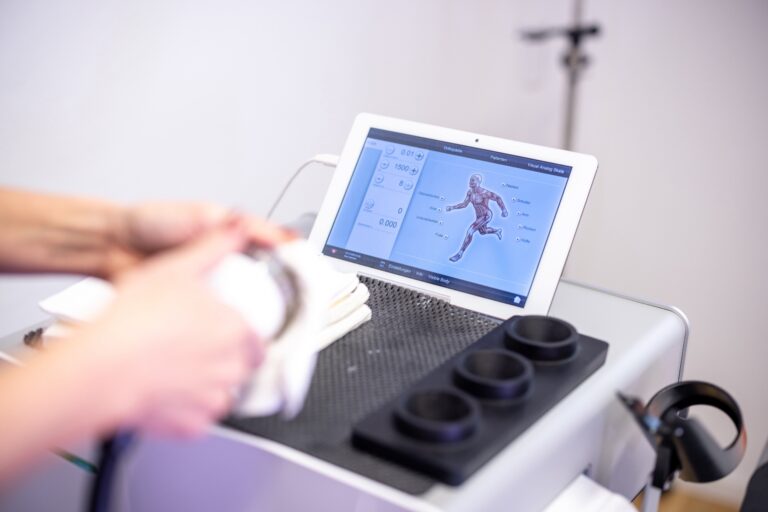

Sports Orthopedics
Treatments
Sports orthopedics in Innsbruck with Dr. Gregor Pittl focuses on conditions and injuries of the musculoskeletal system that arise in connection with sporting activity—regardless of whether sport is practiced at a competitive level or in everyday life. Strain from training, competition, or repetitive movement patterns places targeted stress on joints, tendons, muscles, and ligaments and can cause both acute injuries and gradual overuse damage.
In sports orthopedics in Innsbruck with Dr. Pittl, the priority is restoring functional movement patterns after overuse or trauma. The focus is on precise diagnostics to prevent secondary damage to joints and soft tissues and to systematically rebuild athletic load capacity.
What is meant by sports orthopedics?
Sports orthopedics is a specialized subfield of orthopedics that deals with the diagnosis, treatment, and rehabilitation of complaints caused by sporting activity. This includes not only acute sports injuries, but also the analysis of improper loading and chronic wear-and-tear changes, as well as the prevention of secondary damage. In an orthopedic context, this means understanding and optimizing the interaction of bones, tendons, and ligaments under dynamic load. Depending on the findings, conservative therapies, targeted training adjustments, or—where there is structural damage—surgical procedures such as arthroscopy may be used.
Dr. Gregor Pittl
Specialist in Orthopaedics, Orthopaedic Surgery and Traumatology
Key areas of focus in sports orthopedics
The spectrum includes all structures of the musculoskeletal system that are exposed to particular forces during sporting activity:
- Acute and chronic sports injuries
- Overuse injuries affecting tendons, muscles, and ligaments
- Joint complaints due to repetitive strain
- Instability after injuries or wear (e.g., treatment of shoulder and elbow problems, such as tennis or golfer’s elbow)
- Accompanying measures for the prevention of sports injuries
- Assessment of load capacity in everyday training and competition
Most common conditions and injuries in sports orthopedics
In daily practice, specific clinical patterns often emerge that require a differentiated orthopedic approach:
- Runner’s knee (iliotibial friction syndrome)
- Meniscal injuries of the knee joint
- Tendon overuse syndromes (e.g., Achilles tendon, jumper’s knee)
- Tennis elbow and golfer’s elbow
- Sport-specific hip complaints due to impingement
- Shoulder injuries and tendon disorders
- Ankle injuries after inversion trauma
Procedure
Diagnostic & treatment process in sports orthopedics
Sports orthopedic care follows a clearly structured process:
- Medical history: Detailed discussion of how the accident occurred or how the symptoms developed (also possible as a private consultation)
- Clinical examination: Assessment of stability, range of motion, strength, and pain points
- Imaging: Use of ultrasound, X-ray, or MRI to clarify meniscal injuries, tendon damage, or ankle injuries
Treatment planning: Creation of a step-by-step plan that often begins with conservative measures. - Follow-up: Adjustment of treatment and targeted support for the prevention of sports injuries
- Intervention: If necessary, surgical treatment (e.g., arthroscopy) and subsequent management of rehabilitation.

Make an appointment at our practice.
Dr. Gregor Pittl
Dr. Gregor Pittl’s sports orthopaedics practice in Innsbruck offers structured orthopaedic care for sports-related complaints. The prevention of sports injuries plays just as important a role as the treatment of acute trauma. I am happy to provide an individual analysis of your condition during my private consultation hours.
Frequently Asked Questions
When should I see a sports orthopedist after an injury?
If swelling, a feeling of instability, or pain occurs that lasts longer than a few days or restricts normal movement, a specialist evaluation is advisable.
What is runner’s knee, and can I get rid of it?
Runner’s knee is an overuse syndrome on the outside of the knee, often caused by repetitive running strain. Alongside acute anti-inflammatory treatment, analyzing running biomechanics and leg alignment is crucial to permanently address the cause of the irritation.
Can conservative measures also help with meniscus injuries?
Yes, not every tear requires surgery. Small tears or degenerative changes can often be successfully treated through targeted muscle strengthening and relief.
How important is the prevention of sports injuries?
Extremely important. Through targeted training and the identification of muscular imbalances, many typical ankle injuries or tendon irritations can be prevented in advance.
What are common forms of therapy in sports orthopedics?
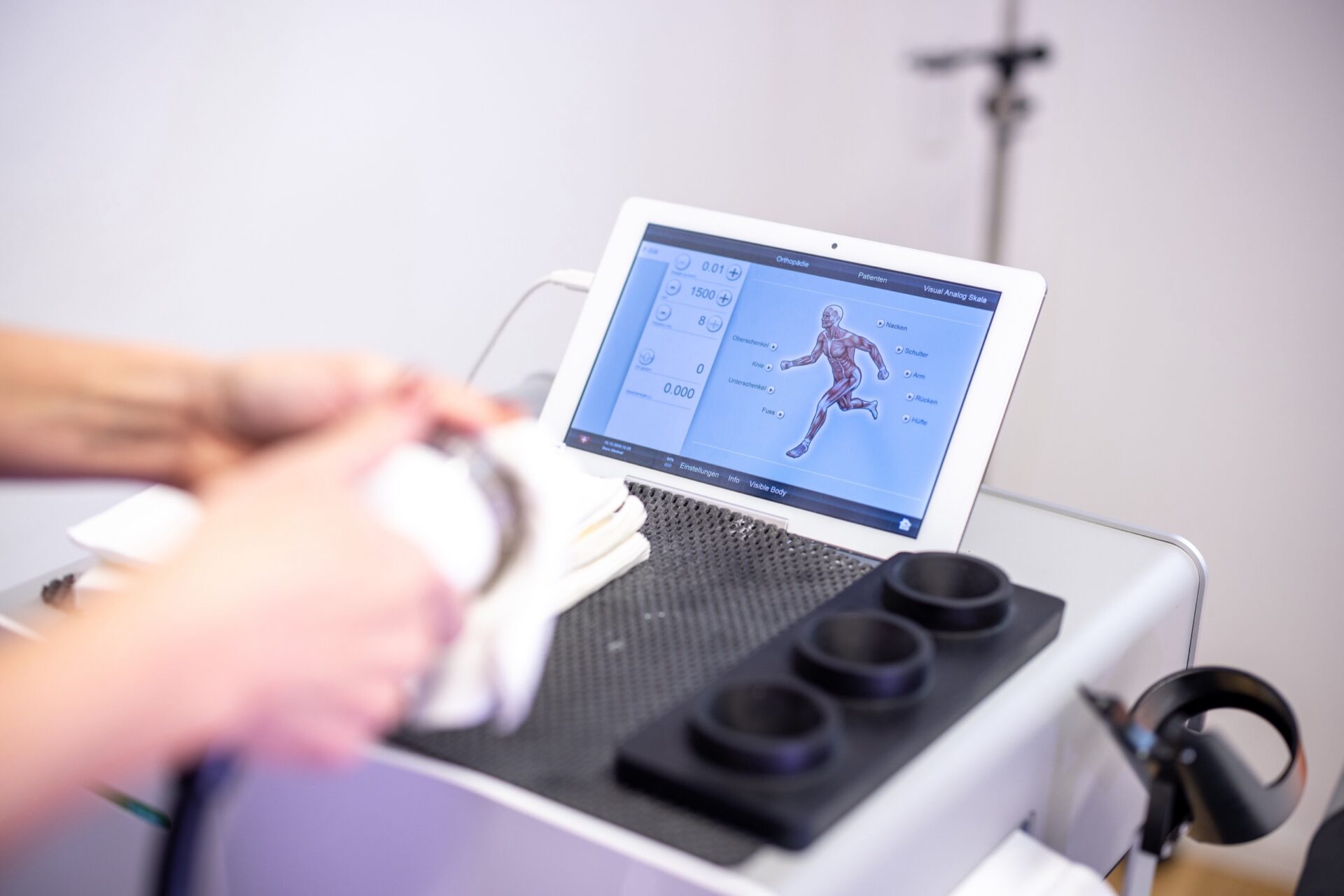
Conservative therapies include physical measures, orthopedic insoles, infiltration therapies, magnetic field and shockwave therapy, as well as targeted physiotherapy to restore function. Surgical therapy is used when structural damage (e.g., tendon tears or instabilities) is present.