The surgery will be closed on Fridays throughout July & August due to staff shortages. Extended opening hours on Thursdays: 09:00–16:00.

Joint wear and tear

Symptoms

Diagnosing and Treating Osteoarthritis

Joint wear and tear is one of the most common causes of chronic pain and restricted movement in everyday life. As an experienced orthopaedic specialist for osteoarthritis in Innsbruck, Dr Pittl possesses comprehensive expertise in the diagnosis and treatment of osteoarthritis and other joint diseases.

What is Osteoarthritis?

Joint wear, medically known as osteoarthritis, is a degenerative change in the joint cartilage and occurs when the protective cartilage in a joint is increasingly broken down. Over time, the joint surfaces rub directly against each other, resulting in inflammation, pain, and a progressive restriction of mobility.
In the course of the disease, joint wear can also affect adjacent structures such as bones, ligaments, and muscles. As one of the most common joint diseases, osteoarthritis usually develops gradually and is often only noticed when symptoms increase.

Dr. Gregor Pittl, Orthopaedist

Dr. Gregor Pittl

Medically reviewed by

Specialist in Orthopaedics, Orthopaedic Surgery and Traumatology

Dr. Gregor Pittl is a specialist in orthopaedics, orthopaedic surgery and traumatology and worked for ten years, most recently as a senior physician, at the University Clinic for Orthopaedics Innsbruck. His focus is on the conservative and surgical treatment of joint wear (arthrosis) as well as regenerative therapy methods such as ACP autologous blood therapy.
Last medically reviewed on 20. July 2026
More about Dr. Gregor Pittl


Treatment room 1 in the practice of Dr. Gregor Pittl in the centre of Innsbruck

Causes and Risk Factors

Cause

Joint wear and tear rarely arises from a single cause; usually, several factors interact:

  • Age: the regenerative capacity of cartilage decreases with age
  • Obesity: permanently increases mechanical stress on the joints
  • Malalignments: e.g., bow-legs or knock-knees lead to uneven joint loading
  • Previous injuries: cartilage damage, ligament tears, or bone fractures promote joint wear and tear
  • Genetic predisposition: familial clustering of joint diseases is known
  • Occupational or sports overuse: repetitive stress patterns damage cartilage long-term
  • Rheumatic diseases: inflammatory joint diseases can accelerate wear and tear

Orthopedist Dr. Gregor Pittl

Symptoms of Osteoarthritis

Symptoms

The following symptoms frequently occur with various joint diseases, including osteoarthritis, and should be clarified early. Typical complaints of joint wear and tear include:

  • pain dependent on load
  • Start-up pain after periods of rest
  • restricted mobility
  • swelling or irritation
  • increasing joint stiffness

Diagnosis & Treatment of Osteoarthritis

Treatment

Through specialised diagnostics, Dr Pittl can create a precise analysis of the clinical picture and recommend individual therapy options. The diagnosis includes a detailed medical history, clinical examination, and, if necessary, imaging procedures (e.g. X-ray, MRI).
Subsequently, treatment can be tailored to the stage of joint wear, the affected joint, and the patient’s individual needs.

Possible measures for the treatment of osteoarthritis include:

  • Physiotherapy: targeted training to strengthen joint-stabilizing muscles
  • Pain therapy & injections: e.g., cortisone, hyaluronic acid, or platelet-rich plasma (PRP) to relieve inflammation and pain
  • Shockwave therapy (ESWT): to activate regenerative processes in the tissue
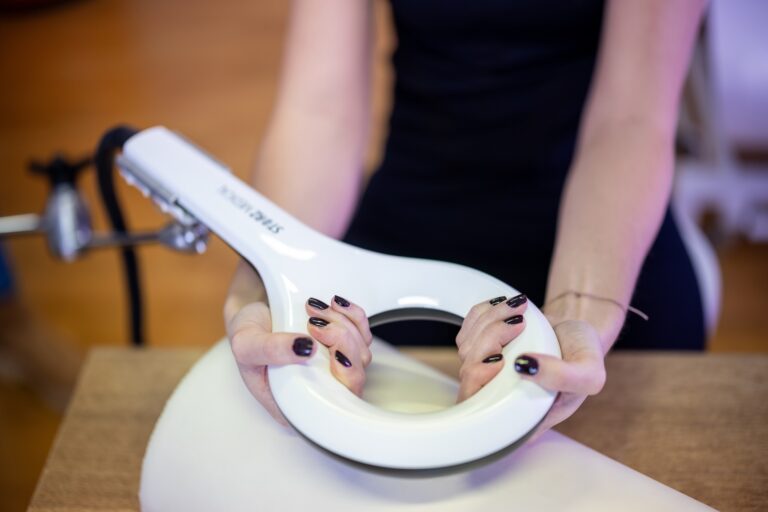
  • Electromagnetic transduction therapy (EMTT): supports cell metabolism and promotes blood circulation
  • Orthopedic aids: insoles, bandages, or orthoses to relieve the joint

Weight reduction & lifestyle adjustment: permanently reduces mechanical stress

Hand mit Magnetfeldtherapie

When is surgery necessary for osteoarthritis?

Not every case of osteoarthritis requires surgical intervention. Surgery may only be advisable when conservative measures have been exhausted and severe symptoms persist.

In advanced cases of osteoarthritis, surgical procedures are used to alleviate pain and improve mobility.

Dr. Pittl as Your Orthopedist for Osteoarthritis in Innsbruck

Dr. Gregor Pittl

As a specialized orthopedist for osteoarthritis, Dr. Pittl takes the time to thoroughly advise each patient and answer all questions. The goal of individual care is to build trust and provide reassurance, from diagnosis to the completion of osteoarthritis treatment.

Consulting an expert in joint diseases provides the certainty of receiving high-quality care and sustainably improving one’s quality of life. You are welcome to schedule an appointment for a private consultation.

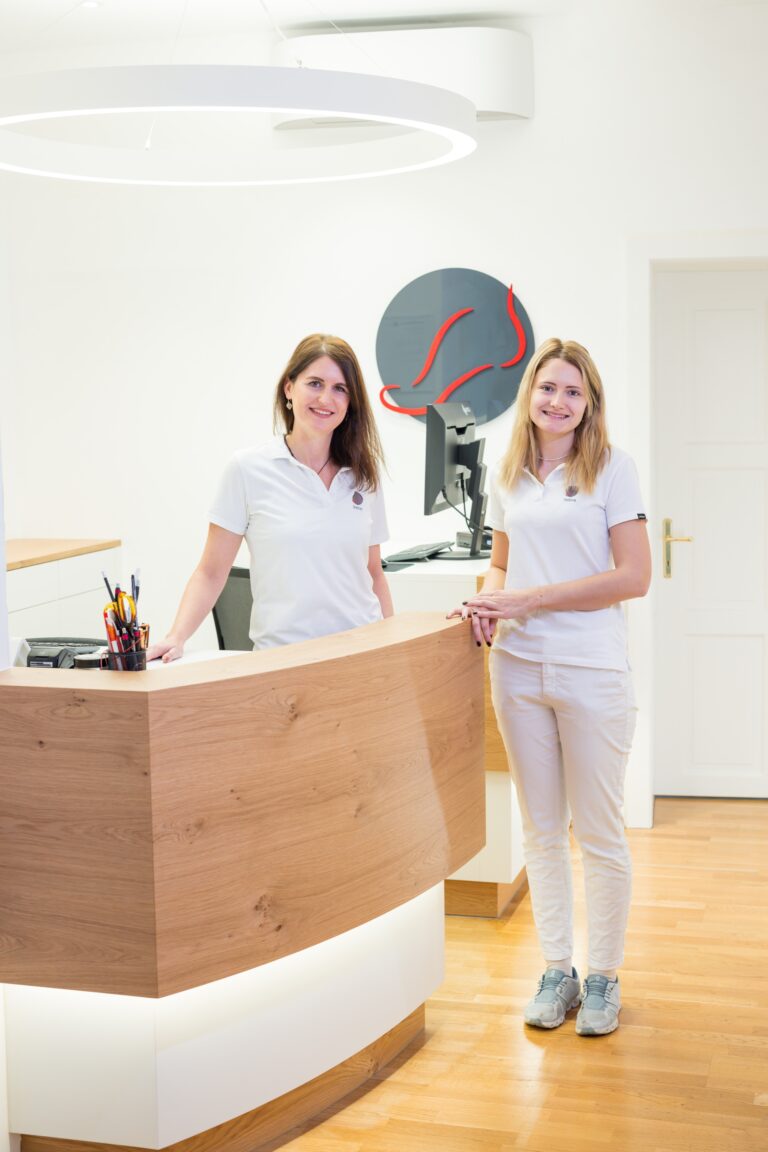
Team Dr. Gregor Pittl im Empfangsbereich

Frequently Asked Questions

The knees, hips, shoulders, spine, and finger and toe joints are particularly commonly affected. However, osteoarthritis can fundamentally affect any joint.

Typical conservative treatment methods at Dr. Pittl’s practice include physiotherapy, infiltration therapies (e.g., hyaluronic acid or anti-inflammatory injections), shockwave therapy, magnetic field therapy, and individually tailored training and rehabilitation programs.

This depends on the stage and the chosen therapy. Conservative treatment cycles usually last several weeks. Following surgery, a rehabilitation phase of weeks to months follows.

Yes, low-impact training such as swimming, cycling, or targeted strength training strengthens the muscles, relieves the joints, and can slow the progression of joint wear.

Dr. Pittl recommends having persistent joint pain or restricted mobility assessed early on.

Treatment room 1 in the practice of Dr. Gregor Pittl in the centre of Innsbruck