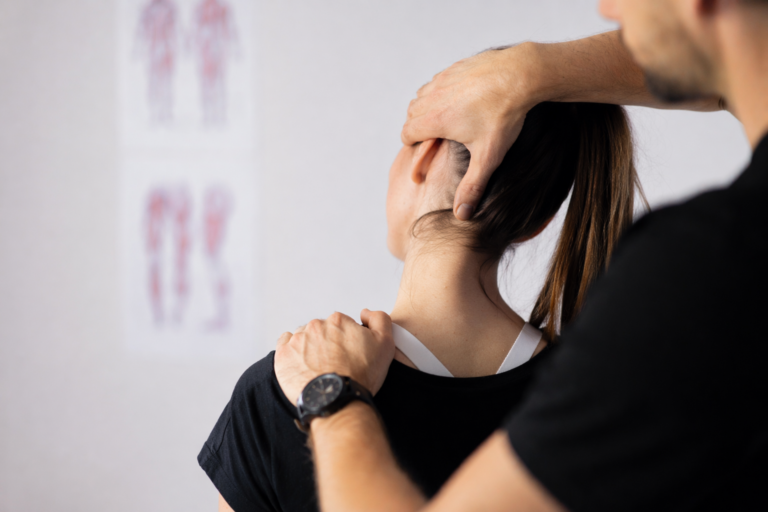

Pain therapy in orthopedics addresses pain caused by diseases or functional disorders of the musculoskeletal system, which often develop over a long period or recur frequently. Especially with chronic complaints, purely symptom-oriented treatments reach their limits.
Orthopedic pain therapy therefore does not focus solely on the perception of pain, but also incorporates functional relationships, mechanical causes, and inflammatory processes. The focus is on the targeted reduction of pain as well as the identification of causal factors for the sustainable relief of the musculoskeletal system.
What is meant by pain therapy?
Pain therapy includes medical measures for the treatment of pain resulting from diseases or functional disorders of the musculoskeletal system. In orthopedics, the approach is usually local, addressing the cause. Methods used include oral or transdermal pain medications, infusion therapies, and local infiltrations. Infiltrations administered specifically to pain-triggering structures, such as joints, tendon attachments, or the spine, have proven particularly effective. Pain therapy does not replace causal treatment, but it can provide useful support and often makes such treatment possible in the first place.

Dr. Gregor Pittl
Specialist in Orthopaedics, Orthopaedic Surgery and Traumatology
Common areas of application for pain therapy
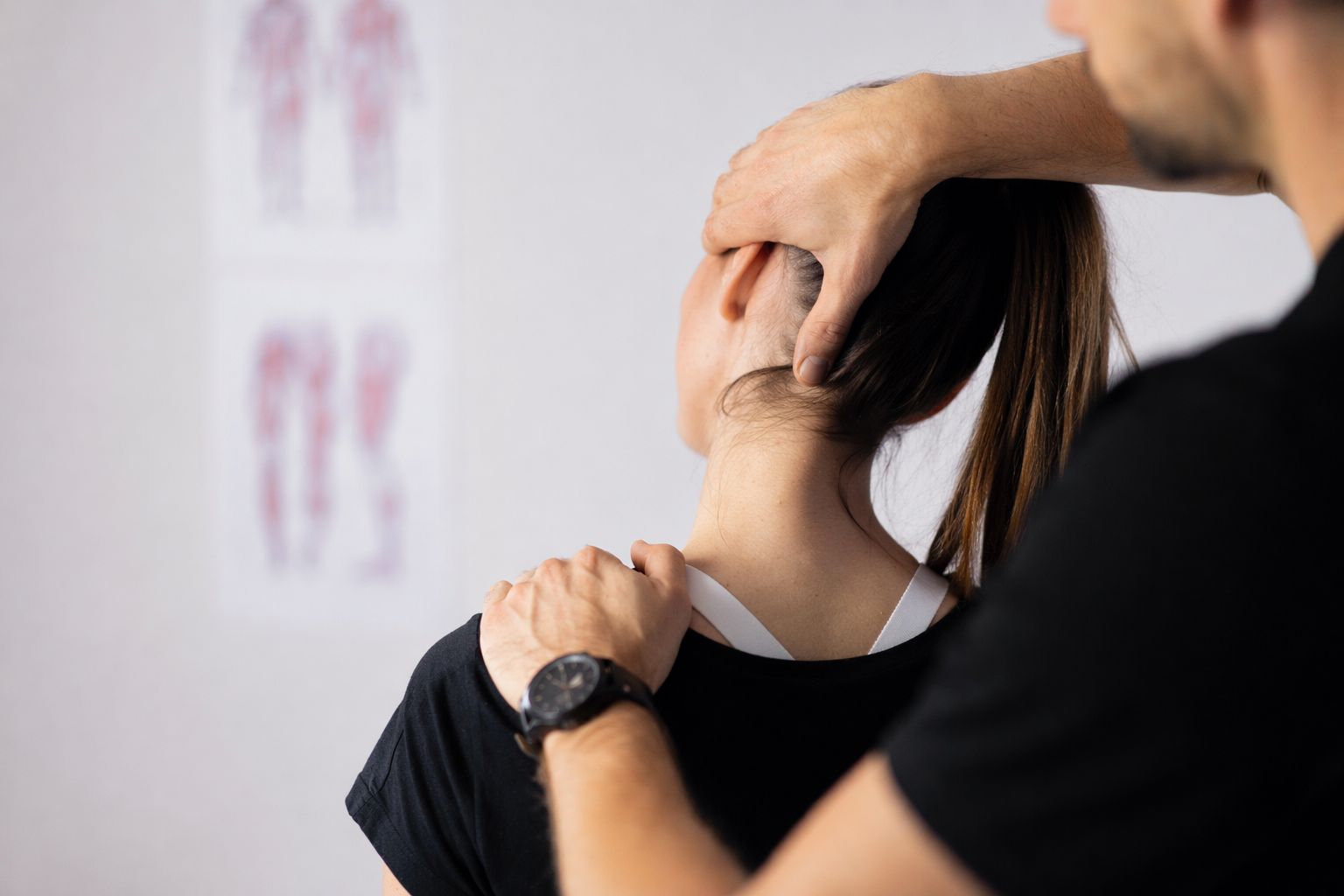
Orthopedic pain therapy is used for a variety of complaints, especially when pain significantly impairs daily life or sporting activities:
- Acute back pain and chronic spinal pain
- Disc-related complaints with nerve irritation
- Joint pain due to osteoarthritis or overuse
- Tendon irritation and tendon attachment complaints
- Pain after sports injuries or accidents
- Complaints where infiltrations provide targeted relief
- Local pain syndromes where spinal infiltration is appropriate
When is pain therapy useful & how long does it last?
Pain therapy is useful when pain persists despite rest or basic measures, or when it recurs. It is frequently used to bridge acute pain phases or to stabilize chronic pain. The effect depends on the cause, the chosen method, and the individual findings. Local infiltrations can often provide rapid relief, while accompanying measures such as physiotherapy or training support the effect. Pain therapy has a temporary effect but can be repeated or adjusted if medically appropriate.
Procedure
The process of pain therapy
In pain therapy, a distinction is made between a targeted acute intervention and a longer-term, multimodal treatment approach. Accordingly, pain therapy follows a clearly structured process:
- Anamnesis and examination: Collection of pain history, localization, intensity, and triggers of the complaints, as well as testing of mobility
- Diagnostic classification: Assessment of whether the complaints are systemic or locally limited. A decision is made as to whether drug-based pain therapy, local infiltration, or a combination of both approaches is appropriate.
- Therapy planning: Selection of the suitable method – pharmacological (e.g., use of oral or transdermal pain medication) or interventional (e.g., local infiltrations)
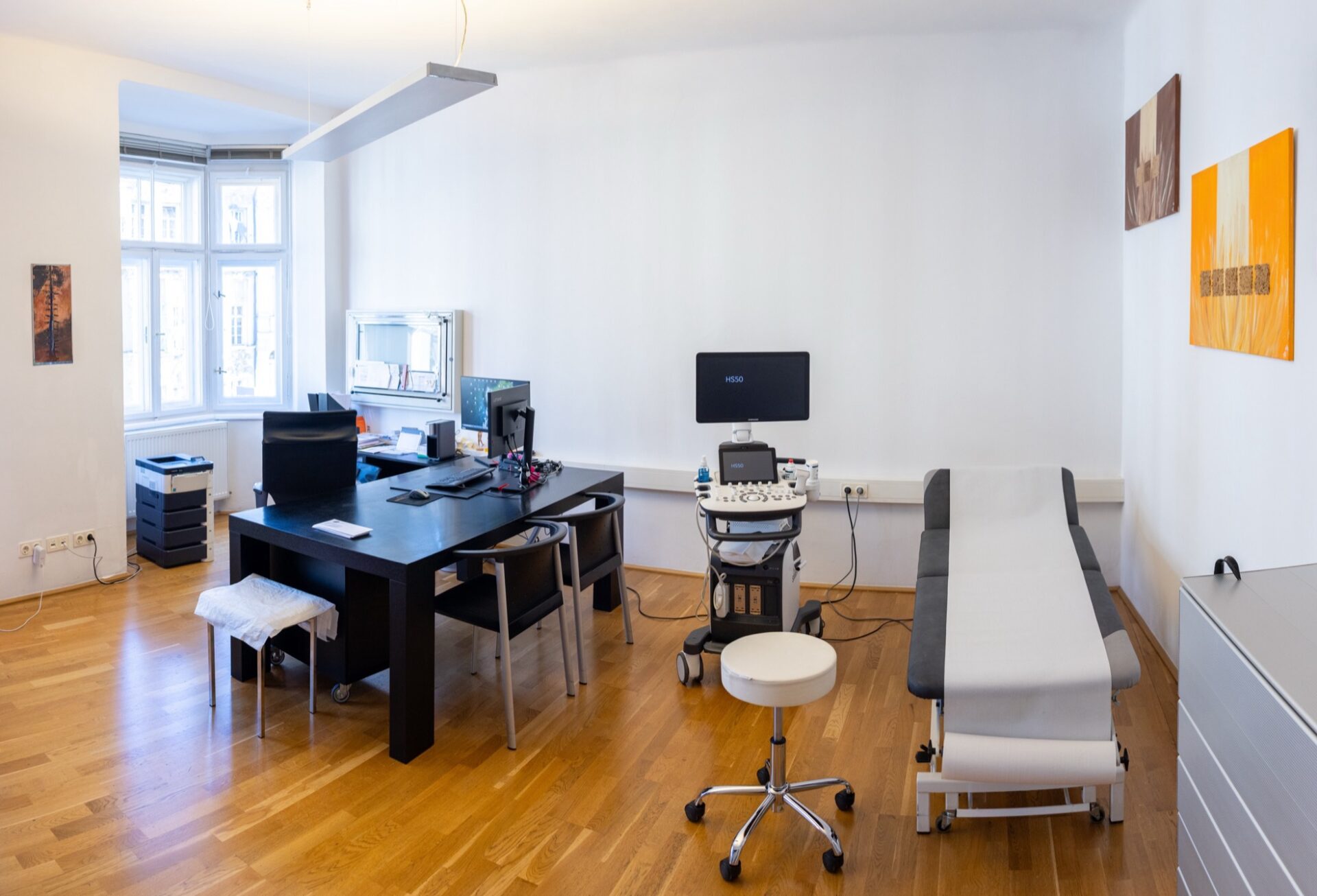
- Implementation: Precise application of the chosen form of therapy. If necessary, local infiltrations are performed under ultrasound guidance to ensure safe and exact placement.
- Follow-up: Assessment of the effect and adjustment of further pain therapy
Make an appointment at our practice.
Dr. Gregor Pittl
Pain management is a crucial component of conservative orthopedics and can help to specifically reduce pain and restore mobility. If you suffer from acute or chronic pain and are seeking expert orthopedic pain management, we recommend having your symptoms evaluated. Private consultations with Dr. Pittl in Innsbruck are also available.

Frequently Asked Questions
What treatments are included in pain therapy?
Pain therapy includes medication treatments, infusion therapies, local infiltrations, and neural therapeutic procedures.
How long does pain relief last after an infiltration?
The effect of an infiltration varies individually and can last from a few days to several weeks, depending on the cause and findings.
Is a spinal infiltration safe?
A spinal infiltration is considered safe when performed correctly, especially when guided by ultrasound or imaging.
Does pain therapy also help with chronic pain?
Yes, targeted pain therapy can also help with chronic pain. It is often part of a coordinated overall concept involving complementary forms of treatment.
Is pain therapy performed surgically?
No, orthopedic pain therapy is a conservative procedure and does not require surgical intervention.