

- Overuse through repetitive movements (especially computer work, mobile phones)
- Wear and tear
- Hobbies (gardening, musical instruments, DIY)
- Sports strain (e.g., racket sports, weight training) or incorrect loading during sports or work
- Inflammatory tendon attachment problems
- Bursitis of the elbow
- Acute bruising or falls onto the elbow
Elbow pain
Symptoms
Treatment of diseases and injuries of the elbow.
When elbow pain occurs, the cause in most cases lies directly within the elbow joint itself. Only rarely is it referred pain, for example from the shoulder or neck area. The elbow has a complex anatomical structure, as several joint structures work closely together to enable flexion, extension, and rotational movements. Even minor disruptions in this interplay can cause symptoms that are difficult to categorize without a precise orthopedic examination.
The mobility of the elbow results from the interaction of the humerus with the two forearm bones, the ulna and radius, which means the elbow functionally consists of three partial joints. Due to this structure, elbow pain can have various causes. Inflammatory irritation of tendons or ligaments, overuse syndromes, or mechanical irritations are common. However, nerve entrapments, loose bodies in the joint, cartilage damage, or bony injuries are also possible triggers.
The good news: In many cases, elbow pain can be treated without surgery. The prerequisite for this is a precise orthopedic assessment, on the basis of which Dr. Pittl creates a suitable, conservative treatment plan.

Dr. Gregor Pittl
Medically reviewed by
Specialist in Orthopaedics, Orthopaedic Surgery and Traumatology
Dr. Gregor Pittl is a specialist in orthopaedics, orthopaedic surgery and traumatology and worked for ten years, most recently as a senior physician, at the University Clinic for Orthopaedics Innsbruck. His focus is on the conservative and surgical treatment of joint wear (arthrosis) as well as regenerative therapy methods such as ACP autologous blood therapy.
Last medically reviewed on 20. July 2026
More about Dr. Gregor Pittl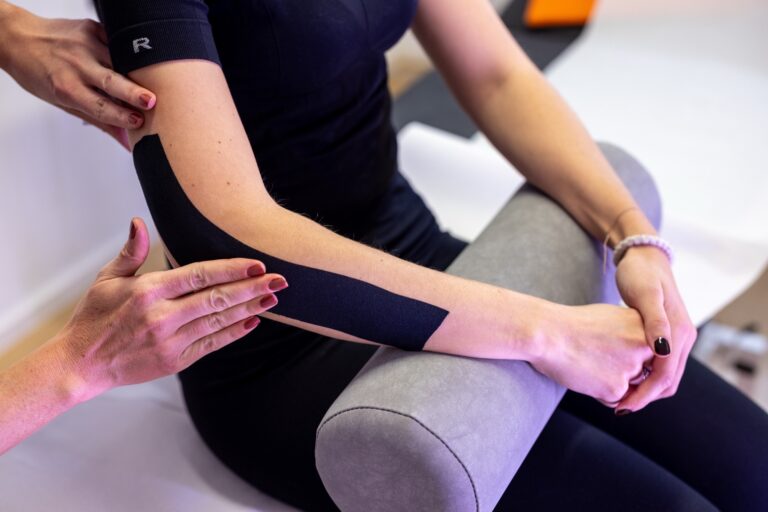
How does elbow pain develop?
Cause
Pain in the elbow often develops gradually. Repeated strain, one-sided movement patterns, or unusual physical exertion can lead to irritation of tendons, muscles, or bursae. Inflammatory changes or degenerative processes can also be causes of pain.
The elbow is particularly sensitive to overuse, as several tendon attachments meet in a small space. If these irritations remain untreated, elbow pain can become chronic and significantly restrict daily life.
Common causes of elbow pain
Symptoms of elbow complaints
Symptoms
Elbow pain can manifest in very different ways. Often it initially occurs only during exertion and later intensifies even at rest. Persistent symptoms should be orthopedically assessed to avoid chronic progression.
The following symptoms are typical for elbow conditions:
- Pain on the inside or outside of the elbow
- Loss of strength when gripping or lifting
- Tenderness over the tendon attachment
- Pain during movement when bending or straightening
- Swelling or redness in the case of bursitis
- Radiating pain into the forearm or hand
Most common diseases and injuries of the elbow
Medical Conditions
The following clinical pictures, which often result from repeated micro-strains, are among the most common causes of elbow pain:
- Tennis elbow (lateral epicondylitis): painful irritation of the extensor tendons
- Golfer’s elbow (medial epicondylitis): irritation of the flexor tendons
- Bursitis: usually after pressure or a fall
- Tendon irritation and inflammation of the tendon attachment
- Overuse syndromes of the elbow
- Acute injuries after a fall or incorrect loading
Diagnosis & Treatment
Treatment
The orthopedic assessment of elbow pain follows a structured approach to distinguish between tendon irritation, inflammation, or injury.
Diagnostic steps:
- Detailed medical history: Clarification of stress patterns and pain localization
- Clinical examination of the elbow: Testing for tenderness over the radial epicondyle (tennis elbow) or ulnar epicondyle (golfer’s elbow), as well as targeted
- functional tests of the arm and hand muscles
- Imaging procedures such as ultrasound or X-ray, if necessary
Conservative therapy for elbow pain
Conservative therapy is often sufficient for various diseases or injuries of the elbow. The treatment focuses on reducing pain, allowing inflammation to subside, and restabilizing the function of the elbow.
Proven conservative therapy approaches include:
- Physiotherapy for relief and strengthening
- Load adjustment: Avoiding the triggering activity, but without complete immobilization
- Physical measures: Cold therapy for acute inflammation, heat therapy for chronic tension.
- Anti-inflammatory measures
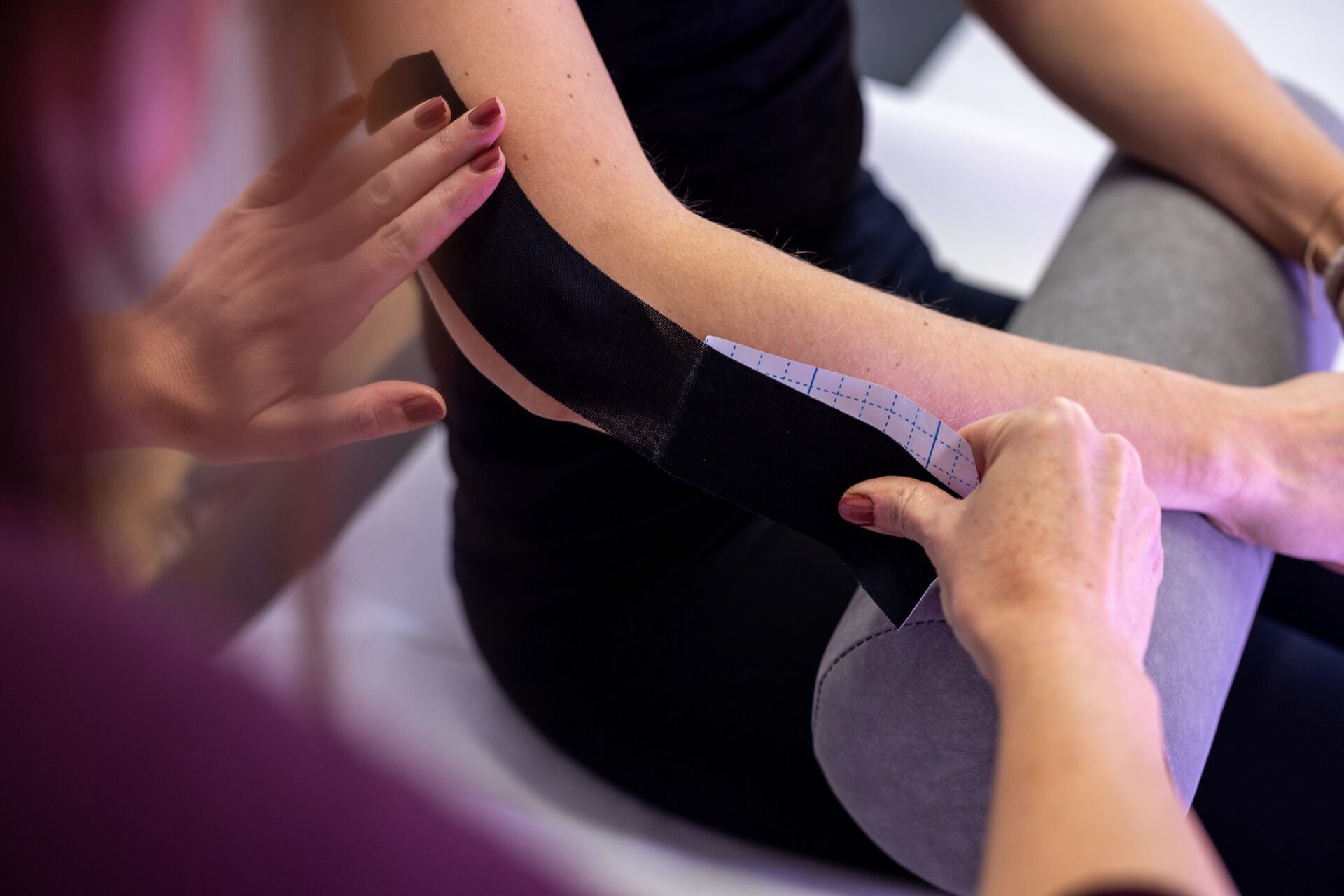
- Braces or relief aids
- Infiltrations for severe pain: Injections of cortisone (short-term) or Platelet-Rich Plasma (PRP/autologous blood therapy) to
- promote regeneration
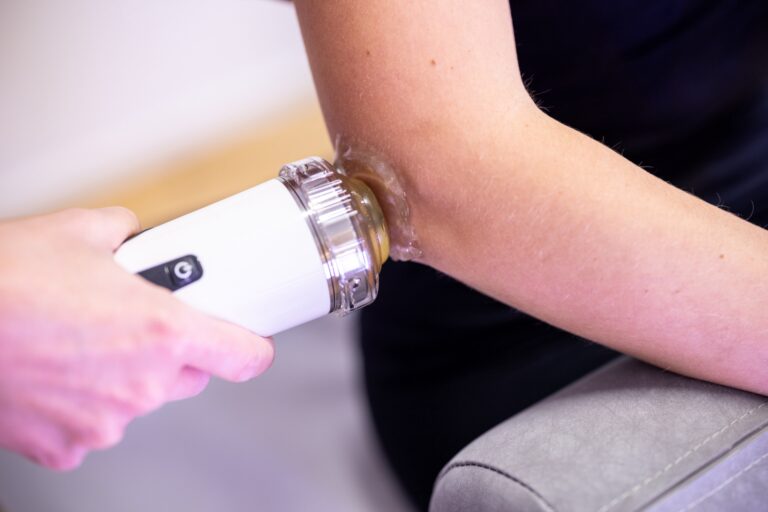
- Shockwave therapy and magnetic field therapy for tennis elbow and golfer’s elbow, bursitis, promoting blood circulation, relieving painful tendon attachments, and stimulating the body’s own healing processes
Your specialist for the elbow in Innsbruck
Dr. Gregor Pittl
In many cases, elbow complaints can not only be alleviated but also stabilized in the long term if the cause is treated specifically. In addition to acute therapy, adapting strain, movement, and daily routines also plays an important role.
If elbow pain restricts your daily life or sporting activities, an orthopedic assessment with Dr. Pittl in Innsbruck is recommended. We are also happy to assist you during private consultation hours.

Frequently Asked Questions
What can I do about elbow pain?
Temporarily reducing strenuous activities and resting the elbow can help. If symptoms persist, an orthopedic evaluation should be carried out to initiate targeted measures such as physiotherapy, shockwave therapy, magnetic field therapy, or anti-inflammatory treatments.
What is the difference between tennis elbow and golfer’s elbow?
Tennis elbow affects the outer side of the elbow, while golfer’s elbow affects the inner side. Both elbow conditions are usually caused by overuse.
Is bursitis of the elbow dangerous?
Usually not, but it should still be treated to avoid chronic irritation or infection.
Does shockwave therapy help with elbow pain?
Yes. For elbow pain such as tennis elbow or golfer’s elbow, shockwave therapy often shows excellent results as it stimulates tissue regeneration. In combination with magnetic field therapy, the healing process can be further accelerated.
Does tennis elbow require surgery?
In most cases, no. Conservative therapies frequently lead to significant improvement.