

Osteoporosis can fundamentally affect any age group, but it occurs significantly more frequently in older age. Women are particularly at risk after menopause: the drop in estrogen levels means a crucial protective hormone for bones is missing. Almost one in four women over 50 and almost one in two women over 70 are affected by bone loss.
Men can also be affected, especially with certain pre-existing conditions or long-term medication use.
Crucial for the course of the disease are the factors that promote bone loss (e.g., lack of exercise, underweight, vitamin D or calcium deficiency, previous fractures, or a family history). An individually planned treatment for osteoporosis, which specifically addresses these triggers, significantly contributes to sustainably reducing the risk of falls and fractures.
Osteoporosis, also known as bone loss, is one of the most common chronic skeletal diseases in Austria, which is why the treatment of osteoporosis plays a central role in orthopedics. Reduced bone density significantly increases the risk of fractures, postural deformities, and chronic pain. Osteoporosis usually develops over years and remains unnoticed for a long time until symptoms or bone fractures occur.
From an orthopedic perspective, the treatment of osteoporosis focuses not only on bone stability but also on maintaining mobility, resilience, and independence in daily life. Early diagnosis makes it possible to positively influence the course of the disease and prevent secondary damage. As an osteoporosis specialist, Dr. Pittl supports patients with a structured, preferably conservative therapy concept, taking into account individual risk factors and living conditions.

Dr. Gregor Pittl
Specialist in Orthopaedics, Orthopaedic Surgery and Traumatology
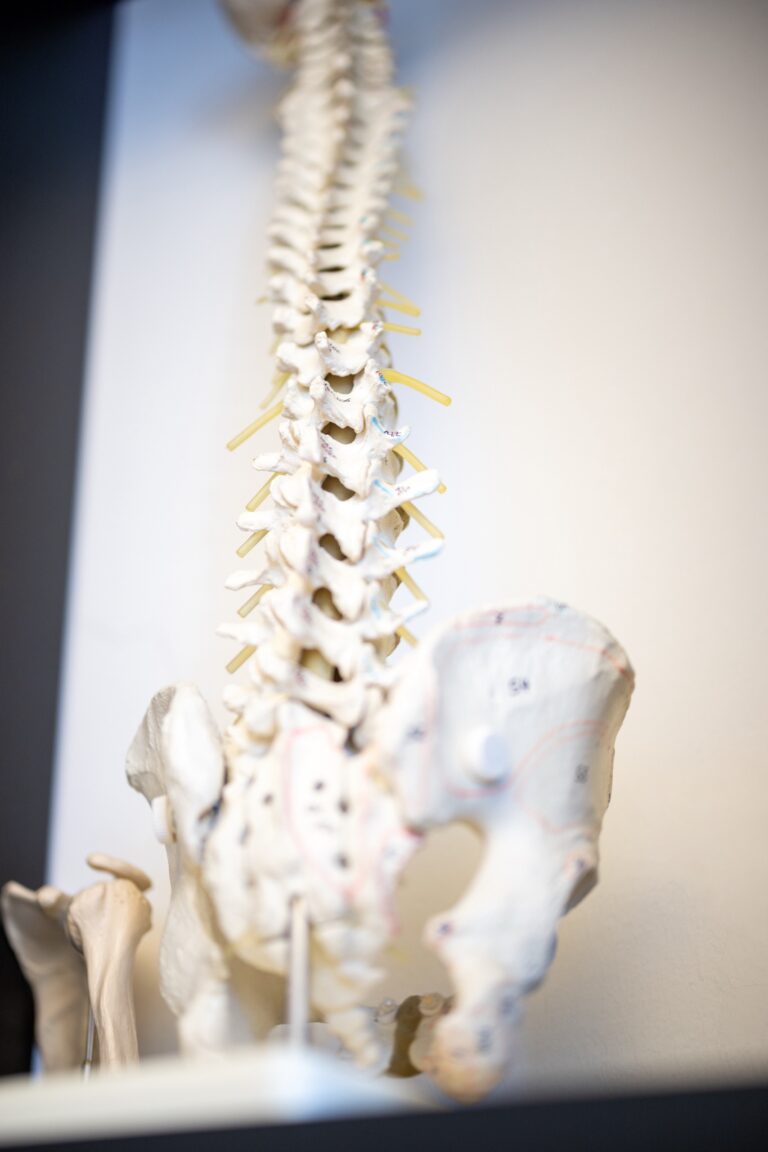
What is understood by osteoporosis from an orthopedic perspective?
Cause
Osteoporosis is a systemic skeletal disease characterized by progressive bone loss. The bones lose stability and become more brittle; even everyday stresses can then lead to fractures.
In orthopedics, osteoporosis is particularly relevant in connection with vertebral fractures, hip fractures, or painful postural changes. The treatment of osteoporosis aims to reduce mechanical stress, support bone structure, and prevent falls. Osteoporosis is considered a chronic disease and is not fully curable, but consistent treatment of osteoporosis can slow down bone loss and significantly reduce the risk of fractures.
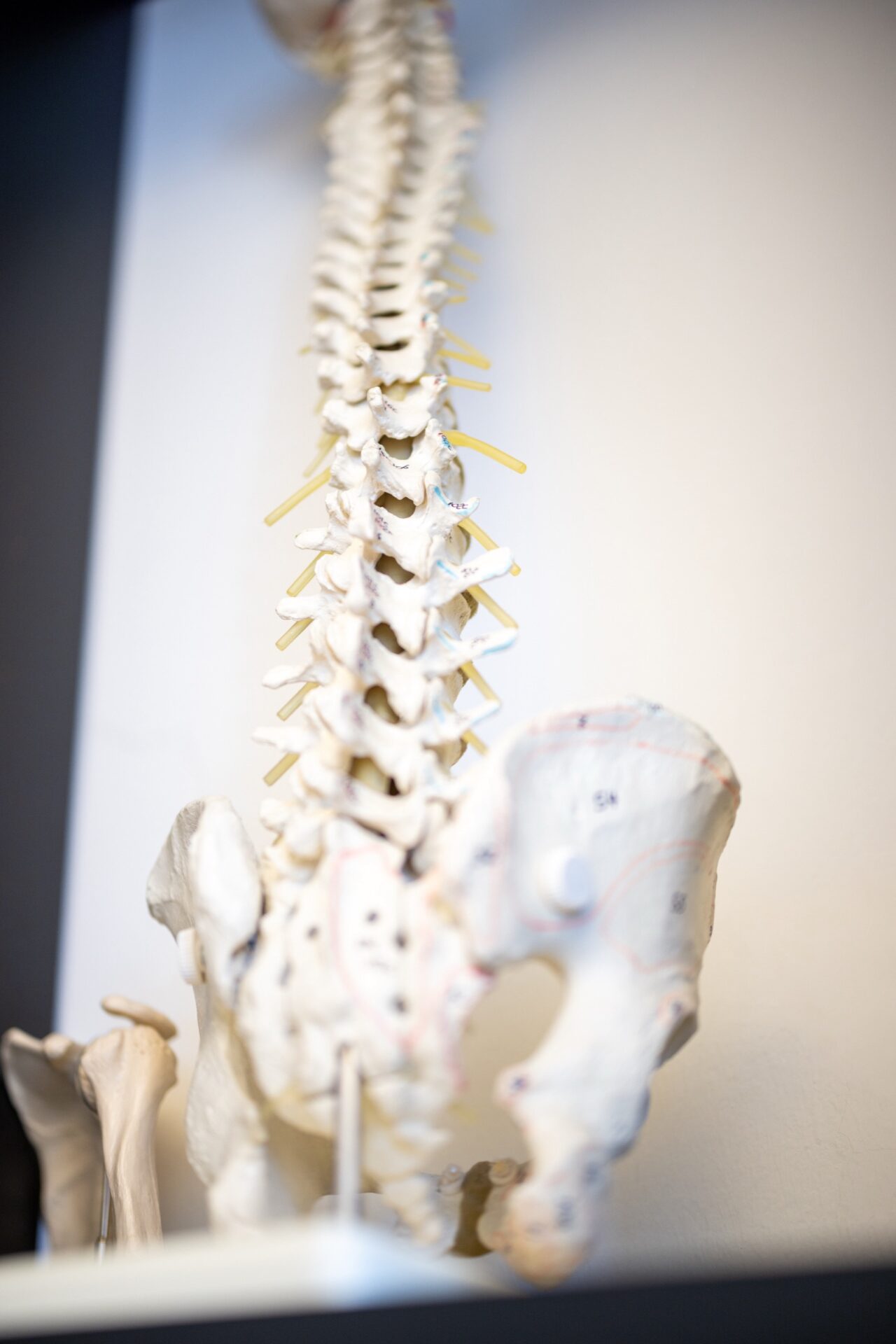
Who is affected by osteoporosis?
Symptoms and Possible Consequences of Osteoporosis
Symptoms
Bone loss often causes no pain initially, which means the disease remains undetected for a long time. Symptoms may only appear in advanced stages.
Typical signs that necessitate osteoporosis treatment include:
- Back pain without a clear trigger
- Decrease in body height
- Rounded back (kyphosis)
- Bone fractures after minor trauma
- Reduced resilience
Diagnosis & Orthopedic Assessment
Treatment
Orthopedic diagnostics serve to assess the current condition of the bone and potential secondary damage. If the assessment reveals a corresponding finding, the treatment of osteoporosis is planned individually. If necessary, interdisciplinary cooperation with relevant specialist centers for osteoporosis in Innsbruck takes place.
A diagnosis typically proceeds as follows:
- Detailed patient consultation (falls, fractures, pain, family history of osteoporosis)
- Clinical, physical examination (posture, mobility, and stability)
- Assessment of the spine and stressed joints
- Bone density measurement and imaging procedures (X-rays to detect fractures or deformities)
- Laboratory tests (blood sample to rule out other causes of bone loss or detect a deficiency)

Conservative Therapy for Osteoporosis
Osteoporosis therapy consists of several measures. As an osteoporosis specialist, Dr. Pittl relies on long-term effective, non-operative treatment methods. Osteoporosis is considered a chronic disease and is not fully curable. However, consistent treatment of osteoporosis can significantly slow down the progression of the disease and considerably improve the quality of life.
Proven conservative approaches include:
- Targeted physiotherapy to strengthen postural muscles
- Coordination and balance training for fall prevention
- Magnetic field therapy to support bone metabolism
- Adjustment of physical activity in daily life
- Orthopedic consultation for spinal changes
Your Specialist for Osteoporosis in Innsbruck
Dr. Gregor Pittl
The treatment of osteoporosis requires patience, continuity, and an individually tailored strategy. Orthopedic support helps to alleviate pain and maintain the stability of the musculoskeletal system.
Contact us if you would like to have your bone health assessed or wish for an individual osteoporosis treatment. We would also be happy to advise you during a private consultation.
Frequently Asked Questions
Is osteoporosis only a problem for older people?
No, younger people can also be affected, for example due to pre-existing conditions or hormonal disorders.
Can osteoporosis be treated conservatively?
Yes, osteoporosis is often successfully treated with conservative measures such as physiotherapy, strength and balance training, or magnetic field therapy.
Why are women more frequently affected by osteoporosis?
Women are more frequently affected because bone loss after menopause is accelerated by declining estrogen levels. Additionally, women on average have lower bone mass, which increases the risk of osteoporosis throughout their lives.
How can I prevent osteoporosis?
Effective prevention includes regular exercise (e.g., strength and balance training), a diet rich in protein and calcium, and minimizing risk factors (underweight, smoking, salt and caffeine consumption).
Is Dr. Pittl the right contact for osteoporosis?
Yes, Dr. Pittl provides orthopedic care for osteoporosis, assesses fracture risks, and offers support through conservative therapies. If necessary, he collaborates with specialized centers in Innsbruck.