

- overuse from running or jumping sports
- sudden increase in training volume
- shortened, tense, or fatigued calf muscles
- misalignments of the foot
- unsuitable footwear
- previous Achilles tendonitis
- muscular imbalance of the calf muscles
- diabetes mellitus, arthritis, gout
- obesity
- degenerative changes of the Achilles tendon
Achilles Tendon Complaints
Symptoms
Your specialist for Achilles tendon issues in Innsbruck.
Achilles tendon complaints are among the most common overuse problems affecting the foot and lower leg. As the strongest tendon in the body, the Achilles tendon acts as a connection between the calf muscles and the foot during every movement. In doing so, it must withstand enormous loads. Accordingly, irritation or overuse complaints of the tendon are frequent.
Complaints may appear suddenly, for example after physical exertion, or develop gradually over weeks. Once Achilles tendon problems are present, they can take a persistent course and often require consistent therapy. Early orthopedic evaluation is important to prevent chronic progression or more severe injuries such as an Achilles tendon rupture or tear.
Dr. Gregor Pittl, as an experienced orthopedic specialist in Innsbruck, guides patients with Achilles tendon complaints through precise diagnostics and individually tailored, preferably conservative treatment concepts.

Dr. Gregor Pittl
Medically reviewed by
Specialist in Orthopaedics, Orthopaedic Surgery and Traumatology
Dr. Gregor Pittl is a specialist in orthopaedics, orthopaedic surgery and traumatology and worked for ten years, most recently as a senior physician, at the University Clinic for Orthopaedics Innsbruck. His focus is on the conservative and surgical treatment of joint wear (arthrosis) as well as regenerative therapy methods such as ACP autologous blood therapy.
Last medically reviewed on 20. July 2026
More about Dr. Gregor Pittl
How do Achilles tendon complaints develop?
Cause
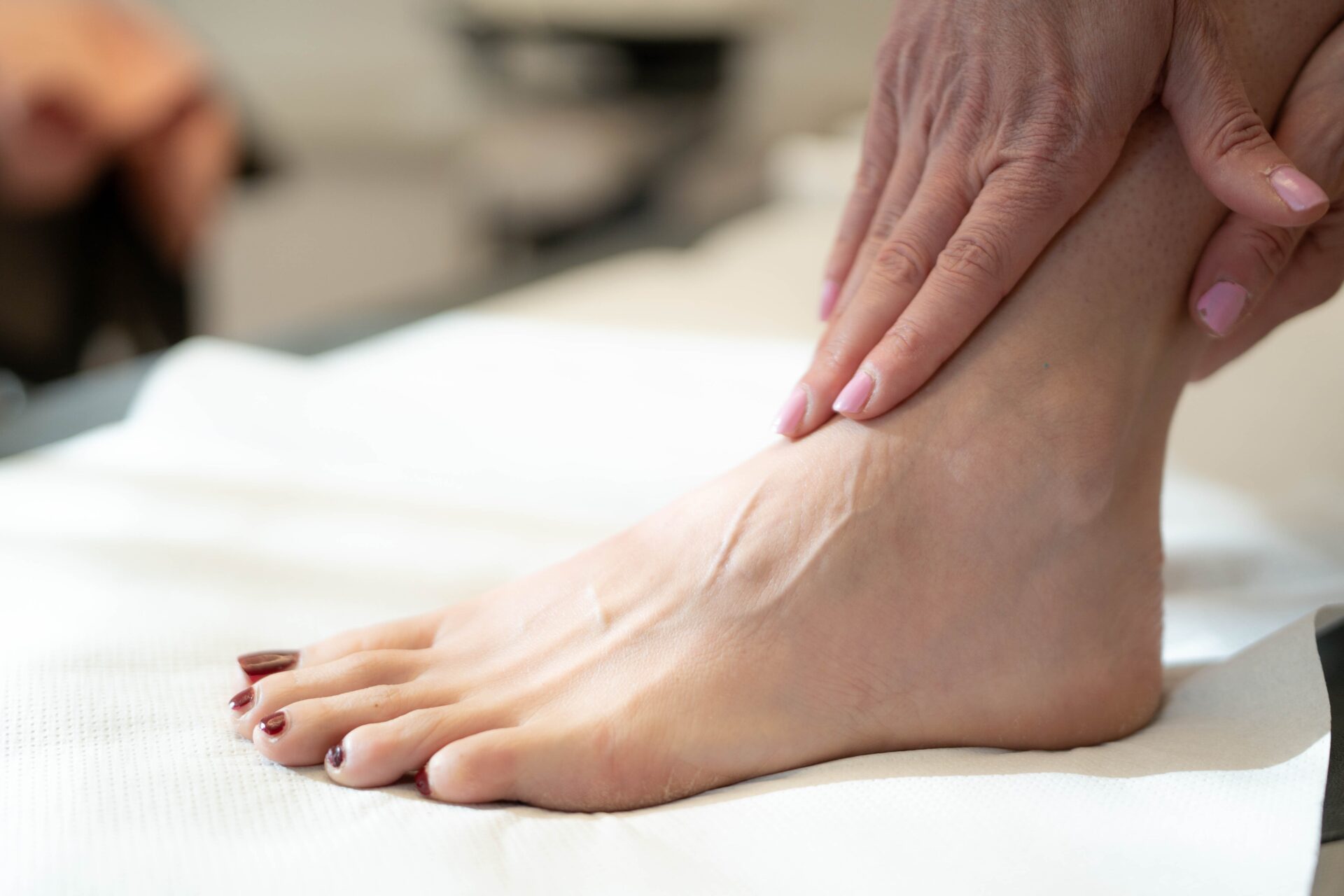
The Achilles tendon is permanently exposed to high tensile and impact loads. If an imbalance develops between load and regeneration, irritation or structural changes can occur. Achilles tendon complaints develop particularly frequently in physically active individuals, but also with unaccustomed stress in everyday life.
Repeated microtrauma, shortened, tense, or fatigued calf muscles, or foot misalignments increase the risk. If Achilles tendonitis is not adequately treated, the tissue can weaken over time and, in the worst case, lead to an Achilles tendon rupture.
Common causes of Achilles tendon complaints
Symptoms of Achilles tendon complaints
Symptoms
Achilles tendon complaints manifest differently, depending on the cause and stage. Pain in the Achilles tendon often initially occurs only during activity and intensifies over time.
Symptoms that should be noted and evaluated include:
- pain in the Achilles tendon when walking or running
- start-up pain after rest periods
- pressure pain along the Achilles tendon
- swelling or local warmth
- stiffness in the ankle joint
- performance decline during sports
- sudden pain and loss of function with Achilles tendon tear
Common Achilles tendon disorders
Medical Conditions
The following conditions occur particularly frequently in orthopedic practice:
- Achilles tendonitis (tendinitis/tendinopathy)
- chronic pain of the Achilles tendon
- partial tears of the Achilles tendon
- complete Achilles tendon rupture or tear
- insertional complaints at the heel
- irritation of the surrounding bursa
Diagnosis & Treatment
Treatment
The diagnosis of Achilles tendon complaints follows a structured approach to reliably distinguish between overuse, inflammation, or structural damage.
Diagnostic steps for Achilles tendon complaints:
- detailed medical history (activity, sports, pain progression)
- clinical examination of the Achilles tendon
- functional tests of the ankle joint or calf
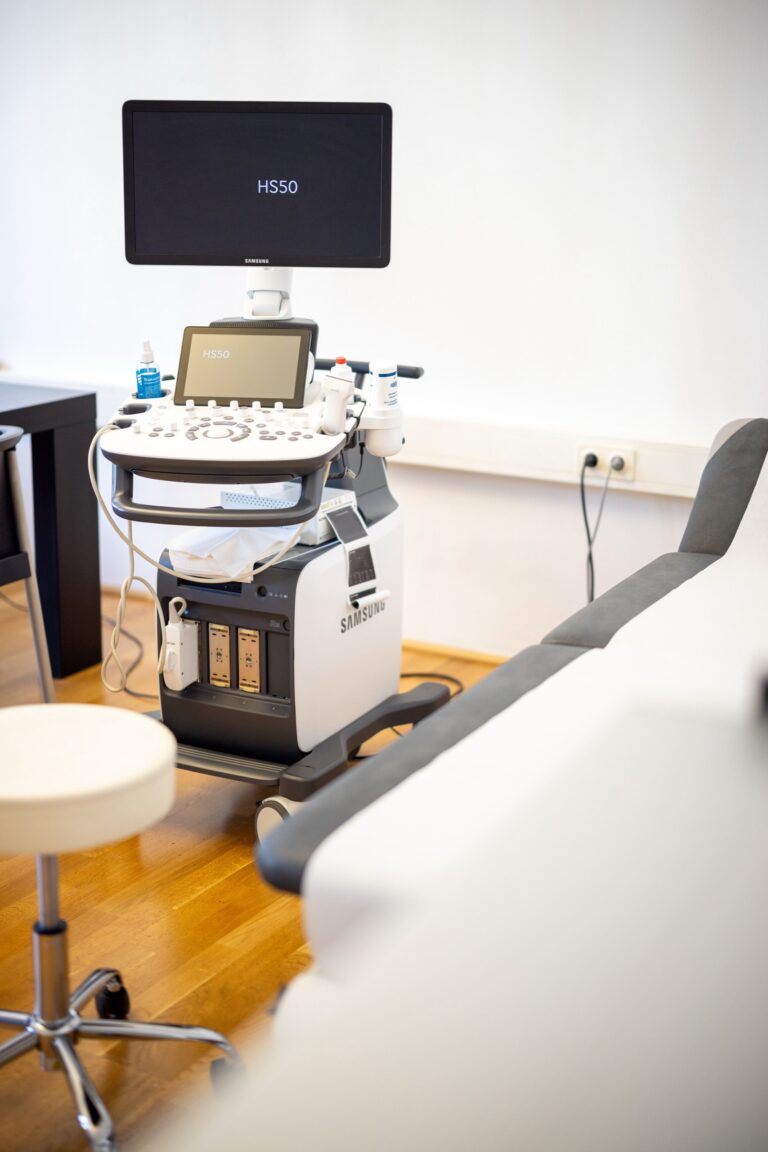
- ultrasound or MRI if partial tear, Achilles tendon rupture, or tear is suspected
Conservative therapy for Achilles tendon complaints
Achilles tendon disorders can be successfully treated conservatively in most cases. Through various treatment concepts, pain can be specifically reduced, the tendon can be relieved, and load capacity can be gradually restored. However, in the case of a complete Achilles tendon rupture or a pronounced Achilles tendon tear, surgical treatment is often required, depending on the findings.
Proven conservative measures include:
- targeted physiotherapy for stretching and strengthening
- eccentric training of the calf muscles
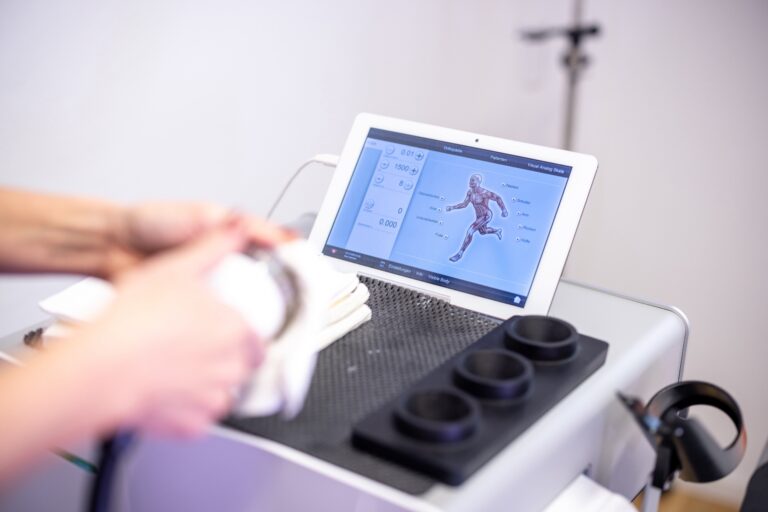
- shockwave therapy for chronic irritation
- magnetic field therapy to promote tissue regeneration
- anti-inflammatory infiltrations for severe irritation
- adjustment of athletic activity
- insoles to relieve the Achilles tendon
Your specialist for Achilles tendon issues in Innsbruck
Dr. Gregor Pittl
Achilles tendon complaints should be taken seriously, as untreated irritation can increase the risk of rupture.
Contact us if you experience pain in the Achilles tendon or would like to have your complaints evaluated orthopedically in Innsbruck. You are also welcome to schedule an appointment during private consultation hours.

Frequently Asked Questions
When should I consult an orthopedist for Achilles tendon complaints?
If pain persists, worsens, or significantly restricts athletic performance.
What is Achilles tendinitis?
Achilles tendinitis is a painful irritation of the tendon, usually caused by overuse. It typically presents as sharp or pulling pain and morning stiffness in the heel area.
How do I recognize an Achilles tendon rupture?
Often a sudden pain, an audible “pop,” and a noticeable loss of strength when rolling off the foot are the first perceptible symptoms.
Is exercise good for Achilles tendonitis?
Adapted, pain-free movement can support healing. However, running or jumping movements, as well as activities that increase pain, should be temporarily avoided and the tendon should be specifically relieved of stress.
How long does it take to heal from Achilles tendon problems?
Depending on the cause, several weeks to months. Consistent treatment, such as shockwave therapy or magnetic field therapy, can significantly shorten the course. Treatment by an Achilles tendon orthopedist can often even avoid surgery.