

- Unsuitable footwear: shoes that are too tight, pointed toe boxes, or high heels
- Lack of exercise & muscle weakness
- Overweight & overuse
- Malalignments of the arch or toes
- Injuries to ligaments or tendons
- Inflammation or degenerative changes
- Symptoms in the ankle joint radiating into the foot
- Rheumatism
- Metabolic conditions such as diabetes
- Osteoarthritis
Foot orthopedics deals with acute as well as chronic conditions and injuries of the foot and ankle joint. If pain, malalignment, or restricted movement occurs, an orthopedic assessment is advisable. As the weight-bearing foundation of our body, the foot is exposed to high loads every day: when walking, standing, running, or doing sports. Accordingly, foot complaints are common and can develop both acutely and gradually.
Causes of foot complaints range from functional overuse to structural changes such as foot malalignments, degenerative processes, or inflammatory conditions. Symptoms in the ankle joint or heel can also originate in the foot and affect the knee, hip, or back.
A thorough orthopedic assessment is therefore crucial. In foot orthopedics, a precise diagnosis is the priority in order to relieve symptoms and treat conditions.
As a foot specialist in Innsbruck, Dr. Gregor Pittl supports patients with thorough diagnostics as well as conservative and regenerative treatment concepts.

Dr. Gregor Pittl
Medically reviewed by
Specialist in Orthopaedics, Orthopaedic Surgery and Traumatology
Dr. Gregor Pittl is a specialist in orthopaedics, orthopaedic surgery and traumatology and worked for ten years, most recently as a senior physician, at the University Clinic for Orthopaedics Innsbruck. His focus is on the conservative and surgical treatment of joint wear (arthrosis) as well as regenerative therapy methods such as ACP autologous blood therapy.
Last medically reviewed on 6. May 2026
More about Dr. Gregor Pittl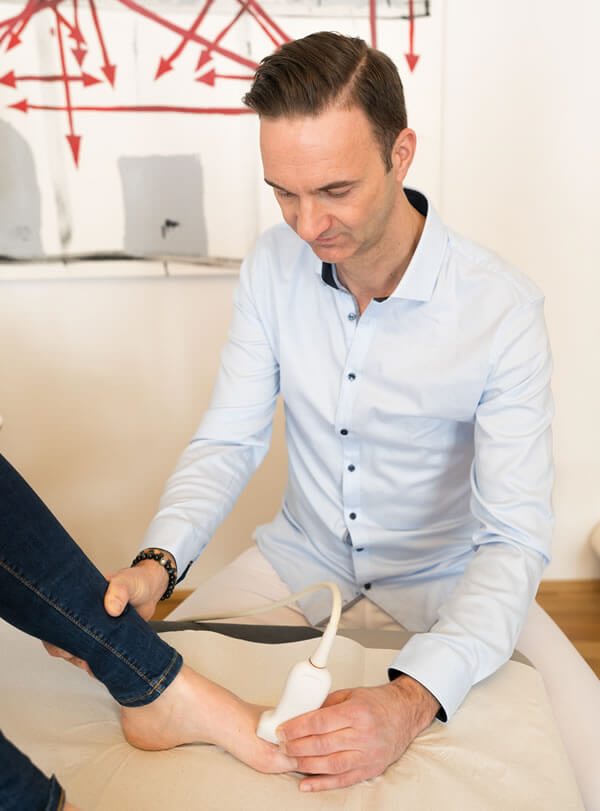
How do foot problems develop?
Cause
Foot complaints and malalignments are a widespread problem that often results from an interplay of genetic predisposition, lifestyle, and biomechanical stress. Since our feet consist of 26 bones, 33 joints, and over 100 tendons and muscles, even a small deviation can throw the entire system off balance. Some problems arise suddenly, e.g., after twisting the ankle or a misstep; others develop over years due to improper loading, unsuitable footwear, or increasing wear and tear.
In foot orthopedics, it is evident that foot malalignments particularly often cause severe pain and mobility problems. They alter alignment and can, in the long term, also affect other joints. The earlier symptoms are recognized and treated, the better they can be corrected.
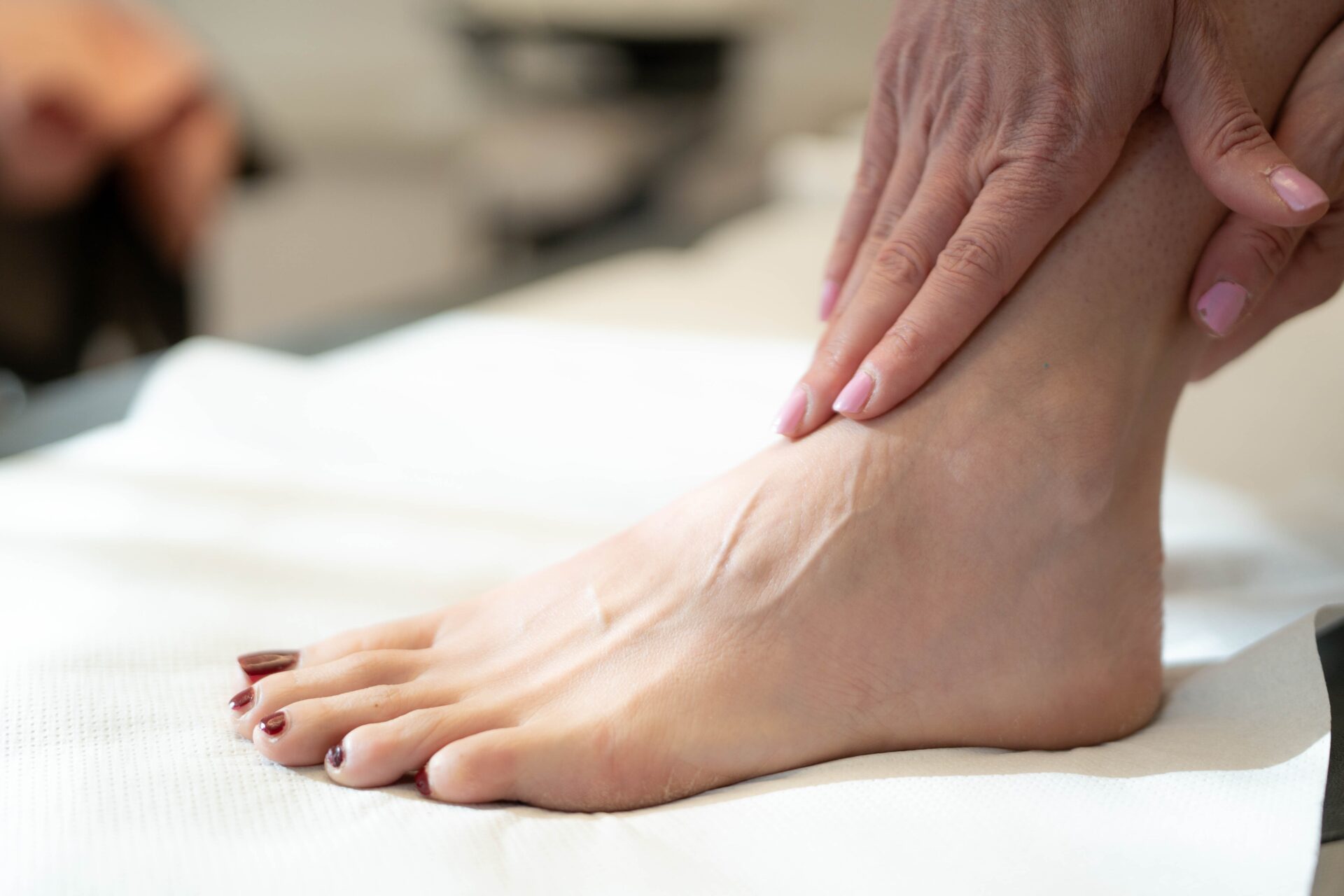
Common causes of foot complaints:
Symptoms of foot complaints
Symptoms
Depending on the cause, location, and load, various complaints can occur in the foot. Some pain occurs only when walking, while other pain also occurs at rest or at night. If pain or restricted movement persists for a longer period, an early orthopedic assessment is advisable. As a foot specialist in Innsbruck, Dr. Gregor Pittl supports you with careful diagnostics and conservative treatment concepts tailored to you.
Common symptoms assessed and treated in foot orthopedics include:
- Pain when walking, rolling off the foot, or standing
- Tenderness to pressure in the forefoot or hindfoot
- Swelling or increased warmth
- A feeling of instability in the ankle joint
- sharp heel pain (e.g., with heel spur)
- Pain in the area of the Achilles tendon and calf
- increasing symptoms under load
- visible foot malalignments
- Limitation of walking distance
Most common conditions in foot orthopedics
Medical Conditions
In foot orthopedics, foot complaints can be broadly divided into malalignments, inflammation, wear-related changes, and systemic conditions.
- Hallux valgus (bunion): malalignment of the big toe with pressure and load-related pain
- Hallux rigidus: osteoarthritis of the big toe joint – causes painful stiffness that particularly makes rolling off the foot when walking more difficult
- Heel spur/plantar fasciitis: sharp pain in the heel area
- Ankle problems: instability, osteoarthritis, or ligament injuries
- Classic foot malalignments: such as fallen arches, splayfoot, or flatfoot
- Achilles tendon irritation: overuse-related tendon complaints
- Osteoarthritis of the foot joints: degenerative wear of the joints
- Metatarsalgia: pain in the forefoot area
- Morton’s neuroma: nerve irritation, noticeable as a painful thickening of nerve tissue between the metatarsal heads
Diagnosis & treatment – foot specialist Innsbruck
Treatment
Structured diagnostics are the basis of every successful treatment in foot orthopedics. As a rule, this follows these steps:
- Detailed medical history regarding load, footwear, sports, symptoms
- Clinical examination of the foot, ankle joint, and gait pattern
- Assessment of malalignments and pressure points
- If necessary: imaging such as X-ray, ultrasound, or MRI

Conservative & regenerative treatment approaches
As a foot specialist in Innsbruck, Dr. Pittl primarily relies on non-surgical measures:
- Targeted physiotherapy for strengthening and mobilization
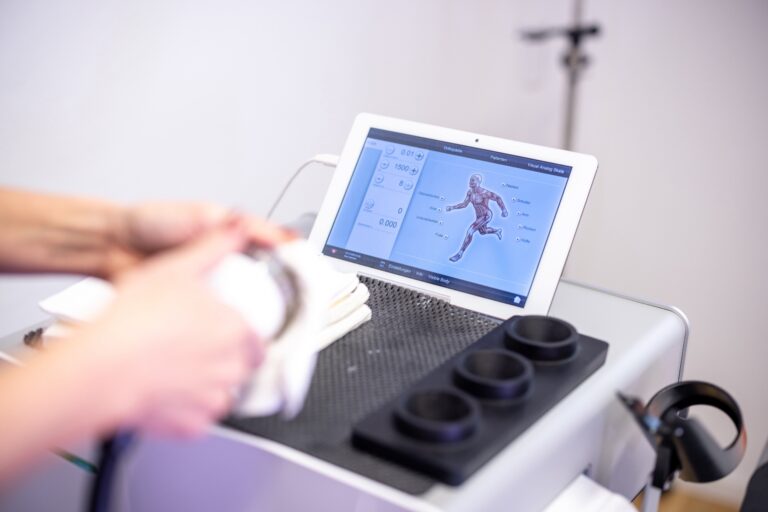
- Shockwave therapy for tendon irritation or heel spur
- Magnetic field therapy to support healing processes
- Anti-inflammatory injections for acute irritation
- Functional stabilization for ankle problems
- Advice on footwear and offloading measures
Your foot specialist in Innsbruck
Dr. Gregor Pittl
Many foot complaints can be significantly improved with coordinated, conservative treatment methods.
Contact us if you would like to have your symptoms assessed in foot orthopedics. You are also welcome to book an appointment with your foot specialist in Innsbruck during our private consultation hours.

Frequently Asked Questions
How can I tell if I have a foot deformity?
Foot deformities are often first noticed by looking at your shoes. These may be worn down on one side, e.g., on the inside in the case of flat feet (pes valgus). Other signs include visible deformities, frequent pressure points, corns, or pain that only occurs after prolonged physical activity.
Does every misalignment require treatment?
Not necessarily. Many people have minor misalignments that do not cause any pain. Treatment is usually required if pain occurs or if the misalignment is so pronounced that there is a risk of consequential damage to the knees, hips, or back.
What helps with heel spurs and acute or chronic Achilles tendon complaints?
Conservative therapies such as shockwave therapy, pressure relief, targeted exercises, and anti-inflammatory measures have proven effective.
When is foot surgery necessary?
Only when conservative treatments are inadequate, significant structural changes are present, or pain severely restricts quality of life.