The practice will be closed from Friday, May 8 to Friday, May 15, 2026 due to vacation.

Rheumatology Orthopedics

Symptoms

Orthopedic care for rheumatism in Innsbruck.

Rheumatoid orthopedics deals with the effects of chronic inflammatory and degenerative diseases on the musculoskeletal system. While classical rheumatology often focuses on internal medicine and drug therapy, rheumatoid orthopedics concentrates on maintaining joint function and alleviating mechanical complaints.
Rheumatic complaints frequently affect joints, tendons, and adjacent structures, and can significantly restrict mobility and resilience in everyday life, usually developing gradually. Pain, morning stiffness, or functional limitations often occur in phases and can increase in intensity over time. In rheumatoid orthopedics, the primary focus is on the targeted relief of the affected joints to reduce pain, preserve mobility, and avoid long-term consequential damage as much as possible.

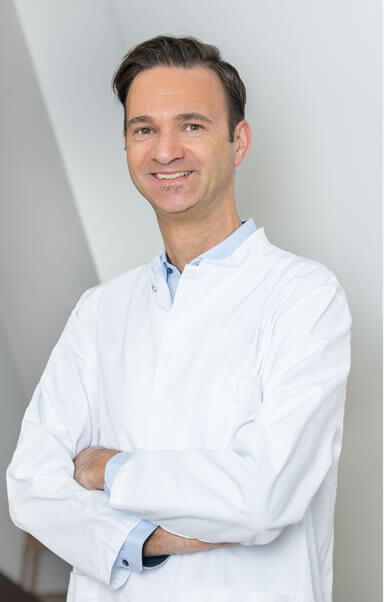
Dr. Gregor Pittl supports you in maintaining your mobility as best as possible despite chronic illness. Contact us for an appointment at our practice in Innsbruck.

Dr. Gregor Pittl

Specialist in Orthopedics and Traumatology in Innsbruck

What is rheumatism from an orthopedic perspective?

Cause

The term rheumatism encompasses a variety of rheumatic diseases that manifest through chronic inflammation or structural changes in joints, tendons, and bones.
Inflammatory processes can lead to long-term joint changes, misalignments, and joint wear. Adjacent structures such as tendons or bursae are also frequently affected. Early diagnosis is crucial to recognize such changes in time and to manage the progression specifically. Conservative treatment methods from rheumatoid orthopedics help to alleviate symptoms and keep functional limitations to a minimum.
If the examination reveals a need for systemic drug therapy, further clarification is carried out in cooperation with rheumatology specialists in Innsbruck.
Rheumatic complaints can basically occur at any age. Inflammatory diseases often begin in middle adulthood, while degenerative changes with increasing joint wear become more common in older age. In rheumatoid orthopedics, these differences are taken into account during diagnosis, and therapy is individually tailored to the phase of life, physical load, and symptoms.

Symptoms of rheumatic complaints

Symptoms

Rheumatic complaints do not always manifest in the same way. Pain-free phases often alternate with acute inflammatory flare-ups. Common symptoms clarified in rheumatoid orthopedics include:

  • Joint pain at rest and under exertion
  • Morning stiffness lasting more than 30 minutes
  • Swelling or localized warmth in the joints
  • Restricted mobility
  • Increasing joint wear
  • Fatigue and reduced resilience

Common orthopedically relevant rheumatic changes

Clinical Conditions

Although the exact triggers are often still the subject of research, rheumatic diseases frequently manifest through the following changes:

  • Chronic joint inflammation
  • Painful mobility restrictions
  • Joint wear as a result of long-term inflammation
  • Axis deviations and misalignments
  • Irritation of tendons and bursae
  • Instability or loss of strength

Diagnosis & orthopedic care in rheumatoid orthopedics

Treatment

Orthopedic diagnostics for rheumatic complaints serve to record structural changes and functional limitations.

  1. Anamnesis & detailed patient consultation (progression of symptoms, physical load, flare-ups)
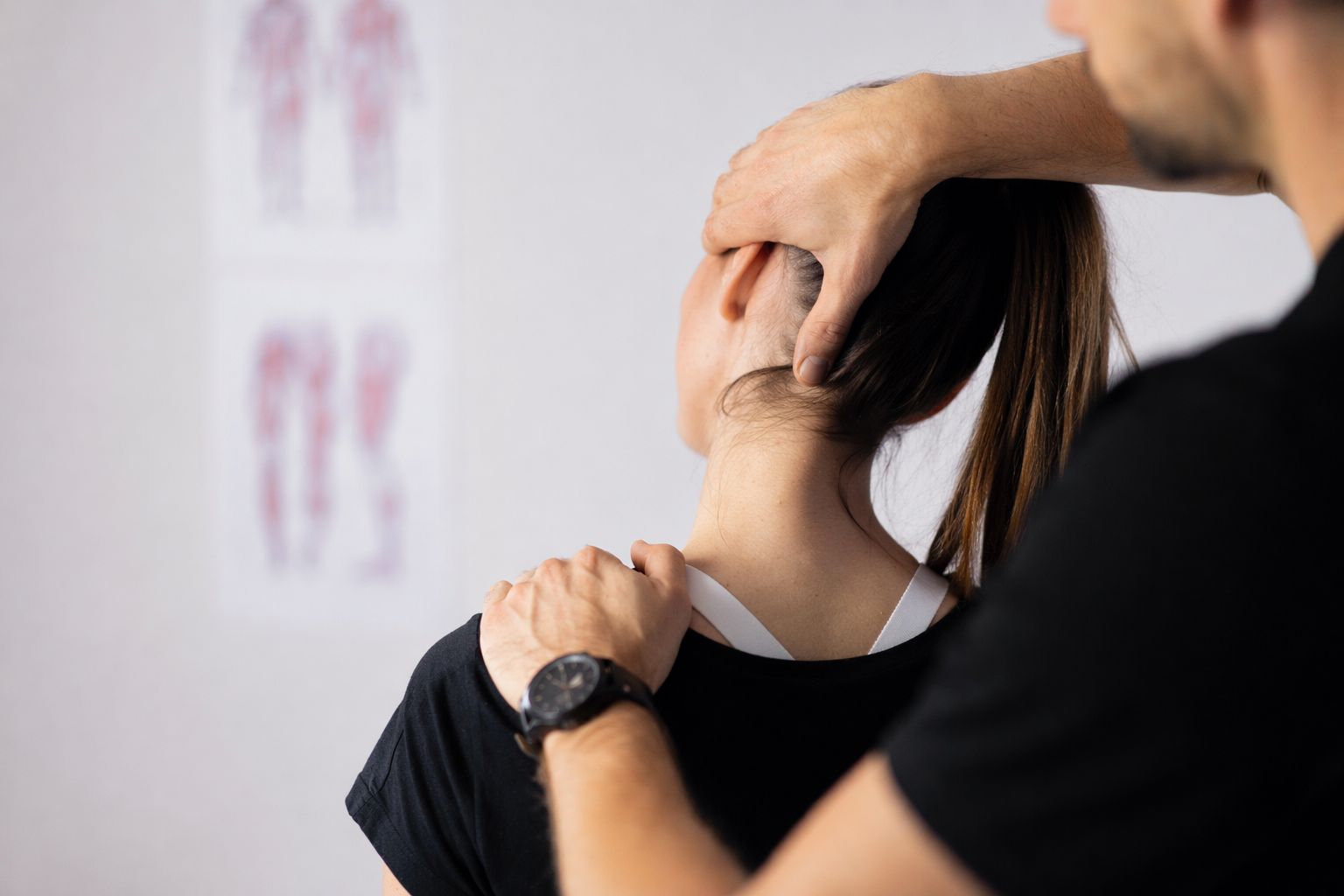
  2. Clinical examination of the affected joints
  3. Assessment of mobility, stability, and pain points
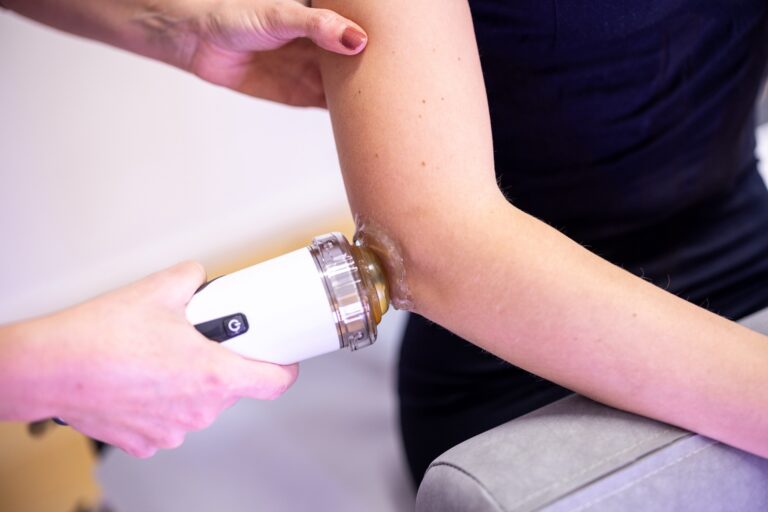
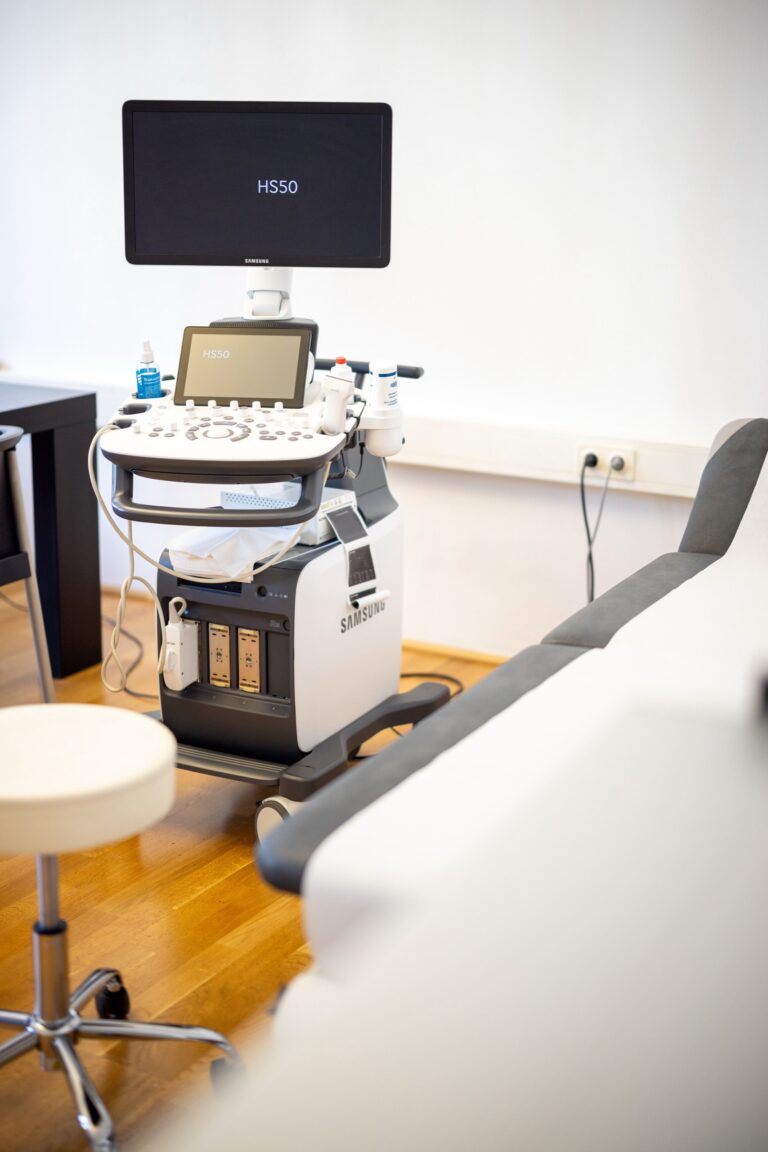
  4. Imaging procedures such as X-ray or ultrasound to assess the status of the cartilage and joint wear

If there are indications of an active systemic inflammatory disease or a need for drug therapy, further clarification is carried out in cooperation with rheumatology specialists in Innsbruck.

Modern Samsung HS50 Ultrasound System

Conservative therapy for rheumatic diseases

Even though many rheumatic diseases are not curable, pain and functional limitations can often be significantly alleviated. Rheumatoid orthopedics at Dr. Pittl’s practice in Innsbruck relies on long-term compatible, conservative measures.

Proven approaches include:

  • Targeted physiotherapy to maintain mobility
  • Joint-friendly strength and stabilization training
  • Anti-inflammatory infiltrations during acute flare-ups
  • Magnetic field therapy or shockwave therapy to support regeneration
  • Adjustment of daily activity and load patterns
  • Orthopedic consultation for progressive joint wear

Your specialist for rheumatoid orthopedics in Innsbruck

Dr. Gregor Pittl

Targeted orthopedic support for rheumatism can help maintain mobility and provide lasting pain relief.
Contact us if you would like to have your rheumatic complaints clarified from an orthopedic perspective. We are also happy to advise you as part of a private consultation.

Frequently Asked Questions

From an orthopedic perspective, rheumatic diseases are considered chronic and not entirely curable. Therefore, the aim of orthopedic rheumatology is to limit inflammatory consequences, reduce pain, and improve long-term quality of life.

Yes. Chronic inflammation can lead to joint wear and tear in the long term.

Yes, adapted exercise is a central component of orthopedic therapy.

Depending on the findings, rheumatic complaints are treated with conservative measures such as targeted physiotherapy, joint-friendly training, anti-inflammatory infiltrations, and supportive procedures like magnetic field or shockwave therapy.

Yes, in many cases, an orthopedist can identify rheumatic diseases. However, the definitive diagnosis is usually made in collaboration with rheumatology, while the orthopedist treats and manages the functional effects on joints and movement.